Featured headlines

RAGBRAI 2018: Iowa JPEC students promote pass-through towns
Monday, July 23, 2018
When the RAGBRAI pass-through towns are announced, faculty advisor and JPEC lecturer Bob Walker and his students offer them promotional assistance. They've done so for four years in a row, and this year are working with eight towns, including Templeton.
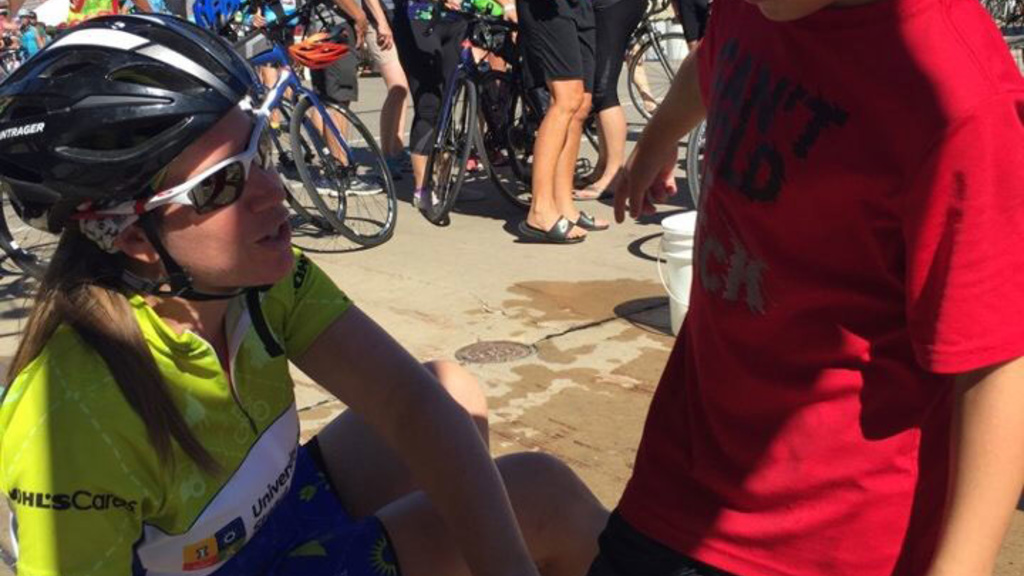
RAGBRAI 2018: UI children’s hospital team shares bicycle safety message
Sunday, July 22, 2018
For five years, the University of Iowa Stead Family Children’s Hospital has been sharing its message about bicycle safety across the state during the Register’s Annual Great Bicycle Ride Across Iowa (RAGBRAI), along with delivering medical care for cyclists along the route.

2018 Kid Captains announced
Friday, July 20, 2018
Thirteen current and former UI Stead Family Children’s Hospital patients have been selected to represent the hospital as Kid Captains during the Iowa Hawkeyes’ 2018 football season.
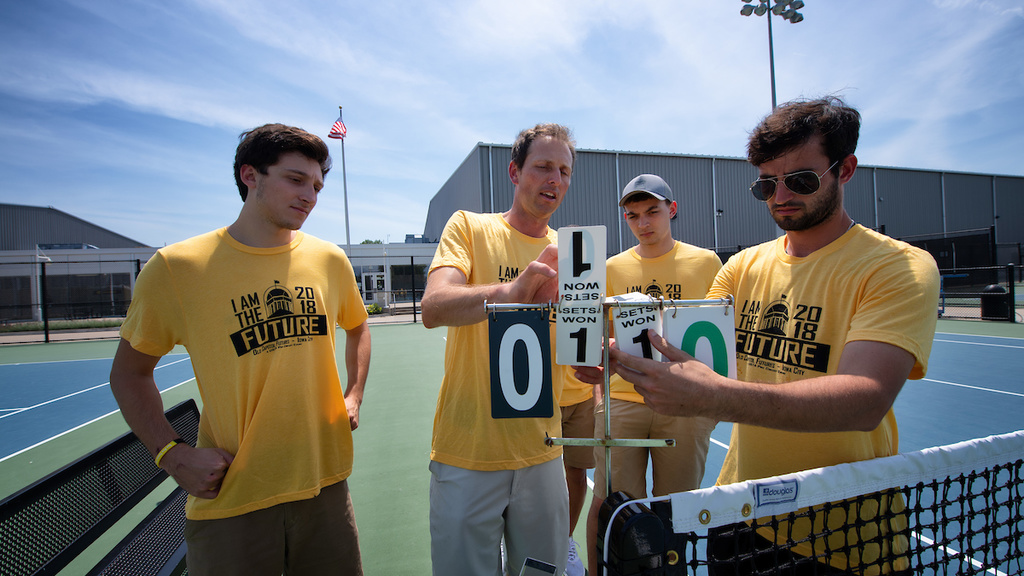
Advantage, sport and recreation management students
Wednesday, July 18, 2018
The Old Capitol Futures tennis tournament, a U.S. Tennis Association Pro Circuit event, takes place through July 22 at the Hawkeye Tennis and Recreation Complex. The first professional tennis tournament to take place in Iowa since 1986, the event was organized by Sport and Recreation Management program students.

Planning your commute, parking during RAGBRAI
Wednesday, July 18, 2018
An estimated 12,000 RAGBRAI riders will be in Iowa City Friday, July 27, for an overnight stop. The University of Iowa community is asked to help safely welcome riders and visitors to our campus from across the country and around the world.
President names co-chairs for chief diversity officer search committee
Thursday, July 12, 2018
UI President J. Bruce Harreld has named Liz Tovar, associate athletics director for Student-Athlete Academic Services, and Claire F. Fox, professor and chair in the Department of English, to co-chair the search committee tasked with selecting the next chief diversity officer.
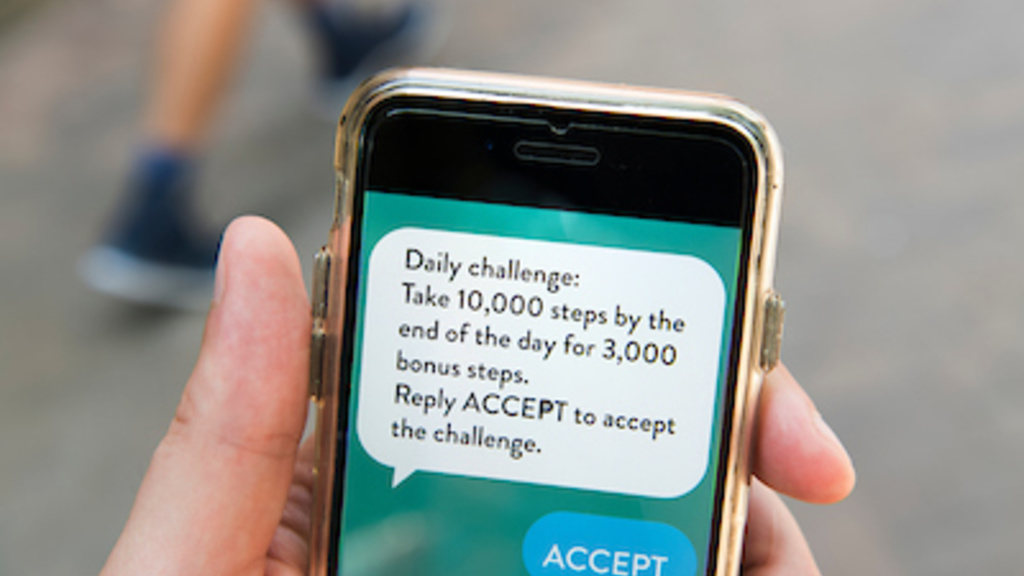
UI researchers turn exercise into a game and see encouraging results
Thursday, July 12, 2018
UI faculty and students have designed a web-based game that can be played by anyone with a smartphone and a Fitbit.

UI forced to make difficult budget decisions following state funding cuts
Tuesday, July 10, 2018
After back-to-back state budget cuts by the Iowa Legislature, the University of Iowa will close several centers and eliminate more than 30 positions not directly tied to student instruction.
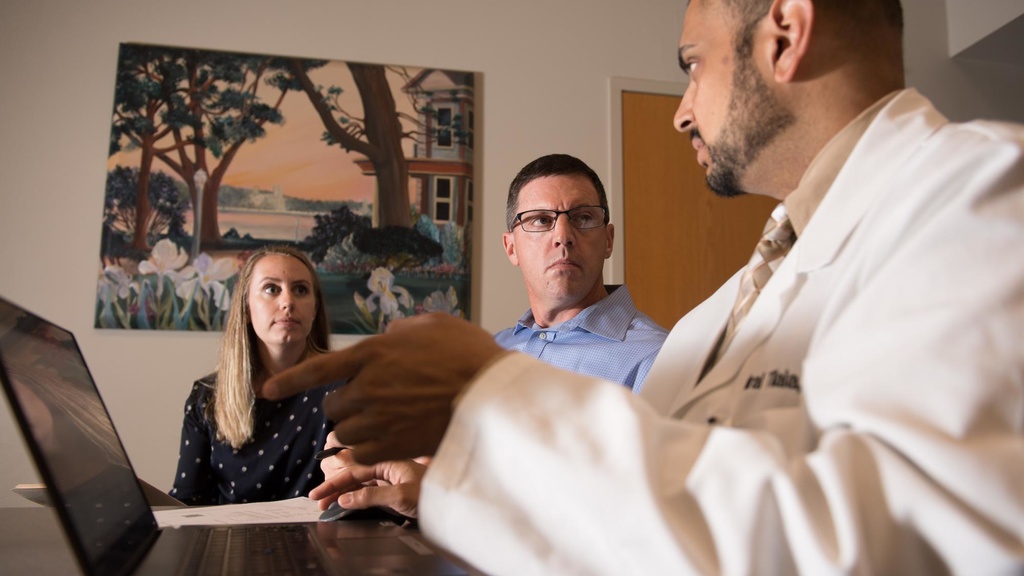
UI pharmacy researchers help rural doctors improve care with innovative virtual service
Monday, July 2, 2018
UI College of Pharmacy researchers have created a virtual, web-based pharmacy service that offers Iowa primary-care providers in small towns and rural areas additional help in managing chronic health conditions such as hypertension and diabetes. The team is looking to expand the service in Iowa and beyond.
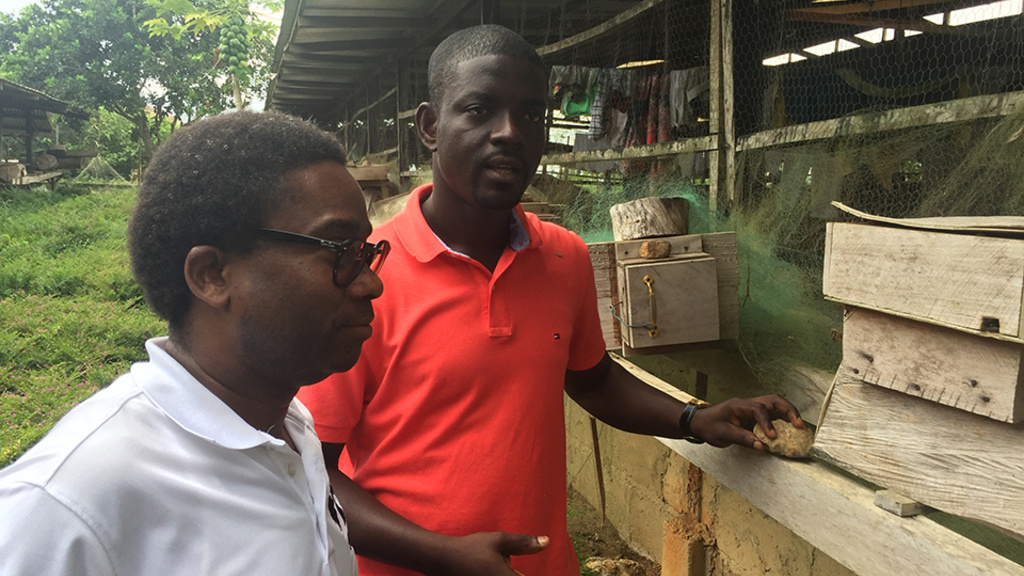
Aiming for nationwide buzz
Thursday, June 28, 2018
As a third class of Mandela Fellows attends the Young African Leaders Initiative held at the University of Iowa, 2017 YALI attendee Isaac Quaidoo is building on his experience in Iowa, taking a new, more ambitious view of his honey and bee product business in Ghana.
Focus on research amplified, expanded in search for new vice president
Thursday, June 28, 2018
The University of Iowa will refocus the scope of the Office of the Vice President for Research (VPR) when it hires a new vice president, shifting the role of economic development elsewhere within the university.

Iowa alumnus bringing bitcoin to the little guy
Tuesday, June 26, 2018
This summer, Chris Stewart hopes to finish building the software for his company, Suredbits, which will provide affordable, real-time Bitcoin data to small businesses.