Health Care
'Racing for a Cure' airs July 11 on BTN Iowa Day
Thursday, July 10, 2014
At the 2014 Indianapolis 500, one team raced for more than the checkered flag. "Racing for a Cure" tells the story of 1996 Indy 500 winner Buddy Lazier and his racing team's effort to promote the University of Iowa Wynn Institute for Vision Research.

UI research discovers early marker for preeclampsia
Wednesday, July 9, 2014
University of Iowa researchers have found an early detector of preeclampsia in pregnant women; a simple blood test can find an excess of a certain hormone that could predict the condition as early as six weeks into pregnancy.
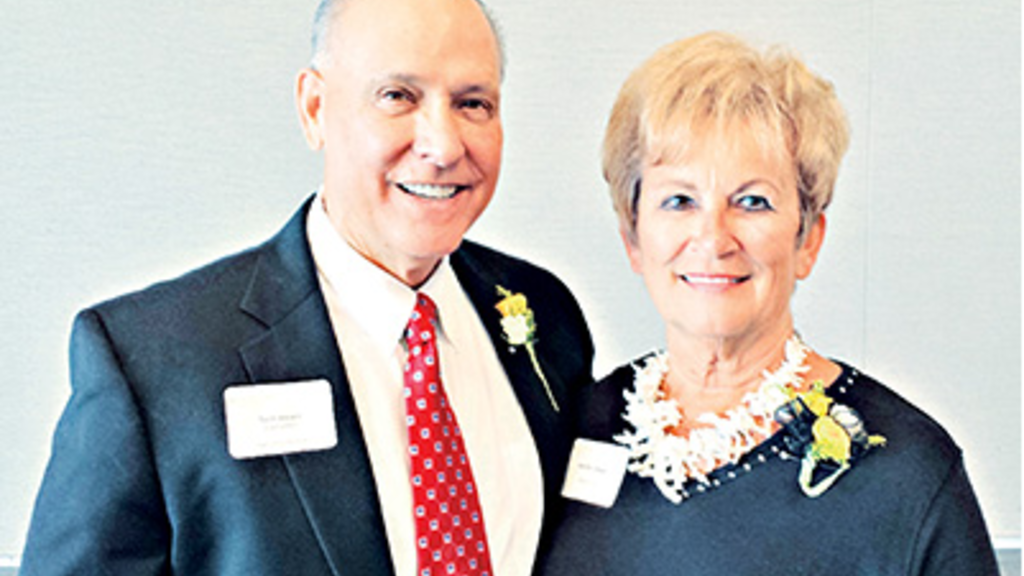
UI honors longtime Newton doctor
Wednesday, July 9, 2014
Dr. Thomas Jessen, a retired Newton family physician who practiced in the community for 40 years, was recently honored with an Award for Service during the University of Iowa Carver College of Medicine 2014 Distinguished Alumni Awards.

UI researchers find early predictor for preeclampsia
Tuesday, July 8, 2014
University of Iowa researchers have discovered a biomarker that could give expecting mothers and their doctors the first simple blood test to reliably predict that a pregnant woman may develop preeclampsia, at least as early as 6 weeks into the pregnancy.

UI study finds walking improves mood, eases fatigue in those with Parkinson's disease
Thursday, July 3, 2014
In yet another endorsement for getting on your feet and walking, UI researchers said Wednesday that people with mild to moderate Parkinson’s disease may improve their motor function, mood, fatigue levels, and more by taking regular aerobic walks.
Walking may help patients with Parkinson's disease
Wednesday, July 2, 2014
A new study led by University of Iowa researchers suggests that brisk walking may improve the physical and mental symptoms of patients with mild to moderate Parkinson's disease.

UI Children's Hospital reopens outdoor playground
Wednesday, July 2, 2014
It will be another two years before the UI Children's Hospital tower is complete, but one newly built amenity for young patients already is being put to good use; the hospital's outdoor playground, which has been closed the past two years due to construction, reopened this week.

More than meets the eye
Friday, June 27, 2014
The Iowa Lions Eye Bank, a leading resource for research on eye diseases and cornea transplantation, is housed at the University of Iowa. Researchers are using the Eye Bank to understand blinding eye diseases and develop new treatments.

Visiting Thai professor cherishes her Iowa connections
Friday, June 27, 2014
Naowarut Charoenca can’t help but appreciate the value of relationships—those developed over a lifetime, as well as the new ones she is cultivating with colleagues as part of a three-month visiting professorship in the University of Iowa College of Public Health.

Andreasen on 'Secrets of the Creative Brain'
Thursday, June 26, 2014
UI neurologist Nancy Andreasen, who has spent decades studying creativity, shares her research on where genius comes from, whether it is dependent on high IQ, and why it is so often accompanied by mental illness.
Bad learning
Wednesday, June 25, 2014
University of Iowa researchers have discovered a new form of neurotransmission that influences the long-lasting memory created by addictive drugs, like cocaine and opioids, and the subsequent craving for these drugs of abuse. Loss of this type of neurotransmission creates changes in brains cells that resemble the changes caused by drug addiction.

Dyken discusses procrastination at bedtime
Tuesday, June 24, 2014
UI neurologist Eric Dyken, director of the Sleep Disorders Center at the UI Hospitals and Clinics, discusses the latest research on sleep, including how wasting time before bedtime could be shattering your plans for shut eye.