Carver College of Medicine
Why high-dose vitamin C kills cancer cells
Tuesday, January 10, 2017
University of Iowa cancer researchers have homed in on the biological details of how high-dose vitamin C (also known as ascorbate) kills cancer cells.
Strack, Usachev named J.P. Long Professors of Pharmacology
Friday, January 6, 2017
Stefan Strack and Yuriy Usachev, both professors of pharmacology, have been appointed to endowed professorships named for a former chairman of the department, John Paul Long. The five-year appointments are effective Jan. 1, 2017.
Wolf named Callaghan Chair in Sports Medicine
Friday, January 6, 2017
Brian Wolf, professor in the University of Iowa Department of Orthopedics and Rehabilitation, has been appointed the John and Kim Callaghan Chair in Sports Medicine. The five-year appointment became effective Dec. 1.
Michael Welsh receives 2017 Steven C. Beering Award
Wednesday, December 21, 2016
Welsh is director of the UI’s Pappajohn Biomedical Institute. His primary areas of research are cystic fibrosis pathogenesis and therapies, and the influence of brain pH on memory.

Recapping fall 2016 commencement
Monday, December 19, 2016
About 1,500 University of Iowa students received their degrees at fall 2016 commencement ceremonies Dec. 16–18. “Iowa Now” captured several celebratory moments at the festivities.
Timing may be key to understanding cognitive problems in Parkinson’s disease
Thursday, December 15, 2016
A University of Iowa study has shown that stimulation to replace missing brain waves improves cognition in mice lacking dopamine, raising the possibility of using frequency-specific brain stimulation to improve problems caused by Parkinson’s disease.
Bacon honored by Association of University Centers on Disabilities
Wednesday, December 14, 2016
Robert Bacon, director of Iowa’s University Center for Excellence in Developmental Disabilities (UCEDD) with the Center for Disabilities and Development at UI Health Care, receives the 2016 George S. Jesien Distinguished Achievement Award from the Association of University Centers on Disabilities.
How diabetes harms the heart
Tuesday, December 13, 2016
Research from the University of Iowa and the University of California at Davis finds that two different drugs—a beta blocker and an antidepressant—might both have potential for preventing or treating heart failure associated with diabetes by blocking an insulin signaling pathway in heart muscle.

UI to honor December 2016 graduates
Tuesday, December 13, 2016
The University of Iowa will award degrees to more than 1,500 graduates during seven ceremonies this weekend.
Despite elusive cure, AIDS diagnoses decline
Monday, November 28, 2016
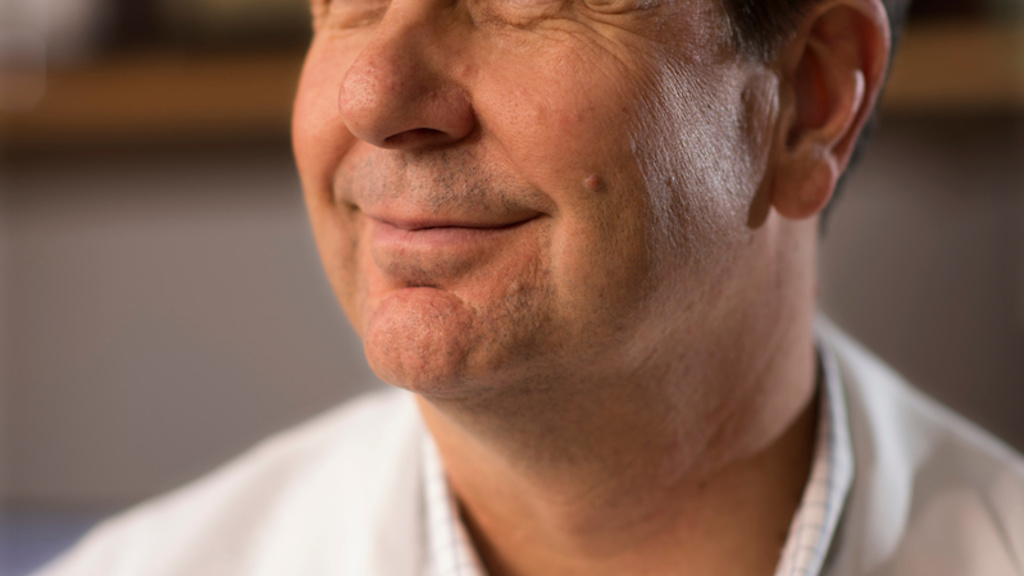
More than 2,100 patients have been treated at the University of Iowa’s HIV/AIDS clinic since it opened in 1988, and it remains the state’s largest such clinic. Jack Stapleton, director of the clinic and an expert in infectious diseases, talks about how a diagnosis of HIV has changed since then.
Roy J. Carver Charitable Trust gives $45 million to University of Iowa to support Iowa Neuroscience Institute
Monday, November 28, 2016
The Roy J. Carver Charitable Trust has committed a $45 million grant to the University of Iowa that will allow for the creation of a comprehensive and cross-disciplinary neuroscience center within the University of Iowa Roy J. and Lucille A. Carver College of Medicine.
Study questions usefulness of ‘rainbow draw’
Friday, November 18, 2016
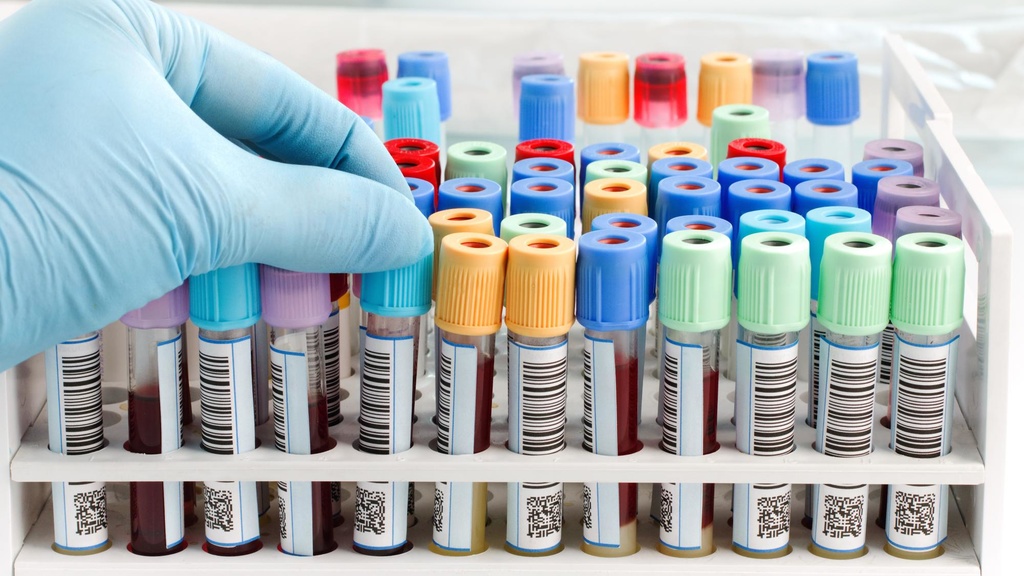
University of Iowa researchers have shown that most of the extra vials of blood drawn for lab tests never get used and are instead discarded.