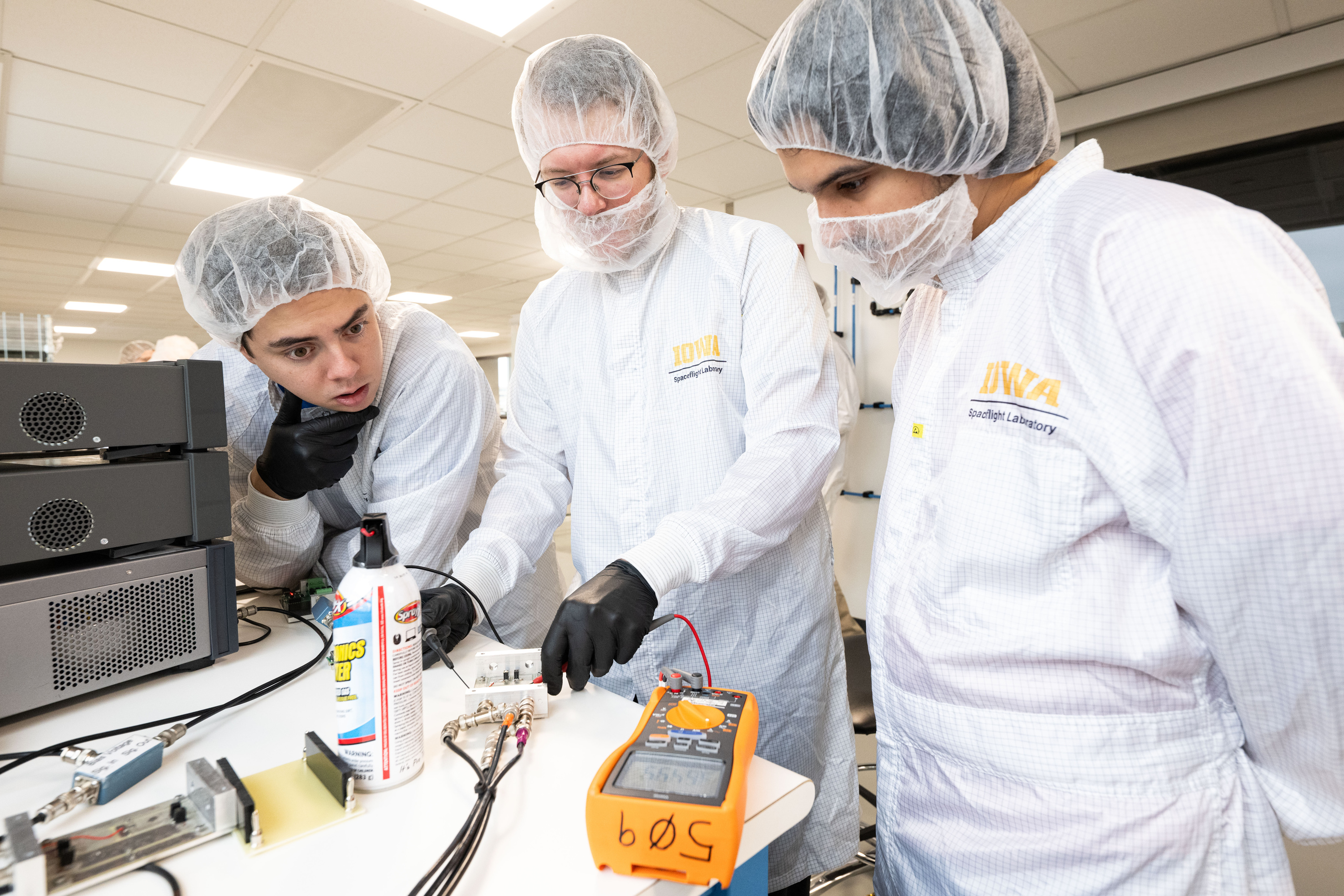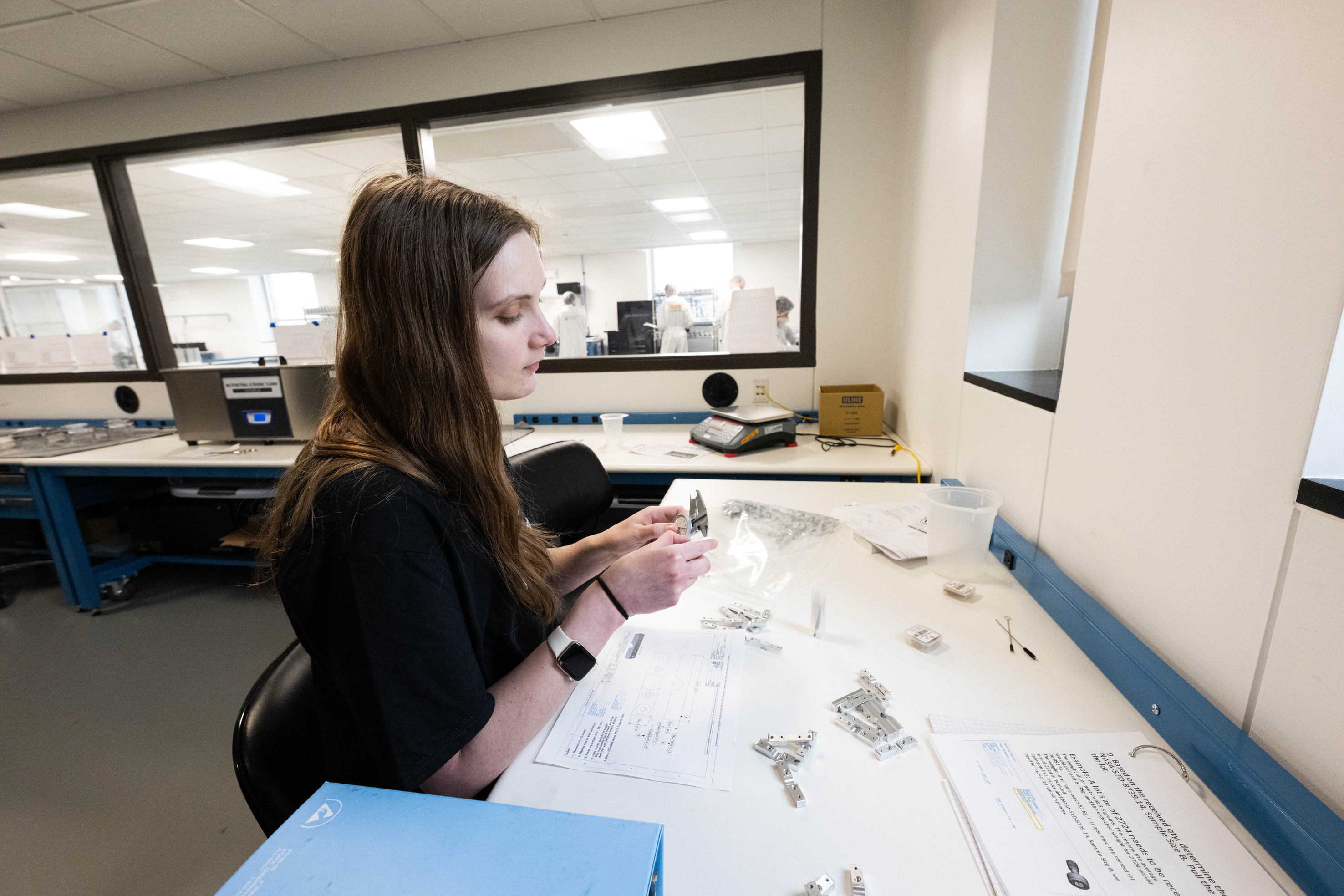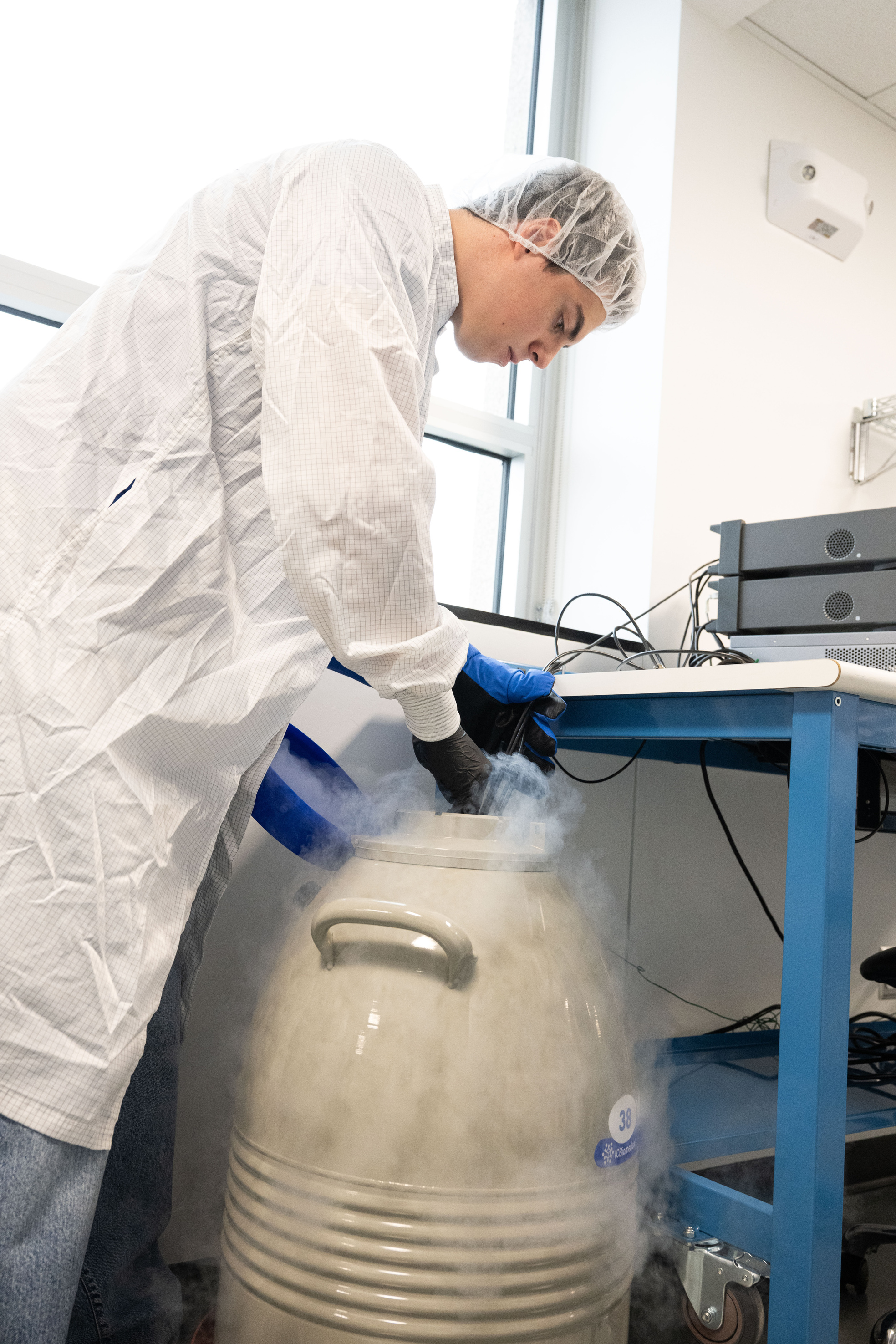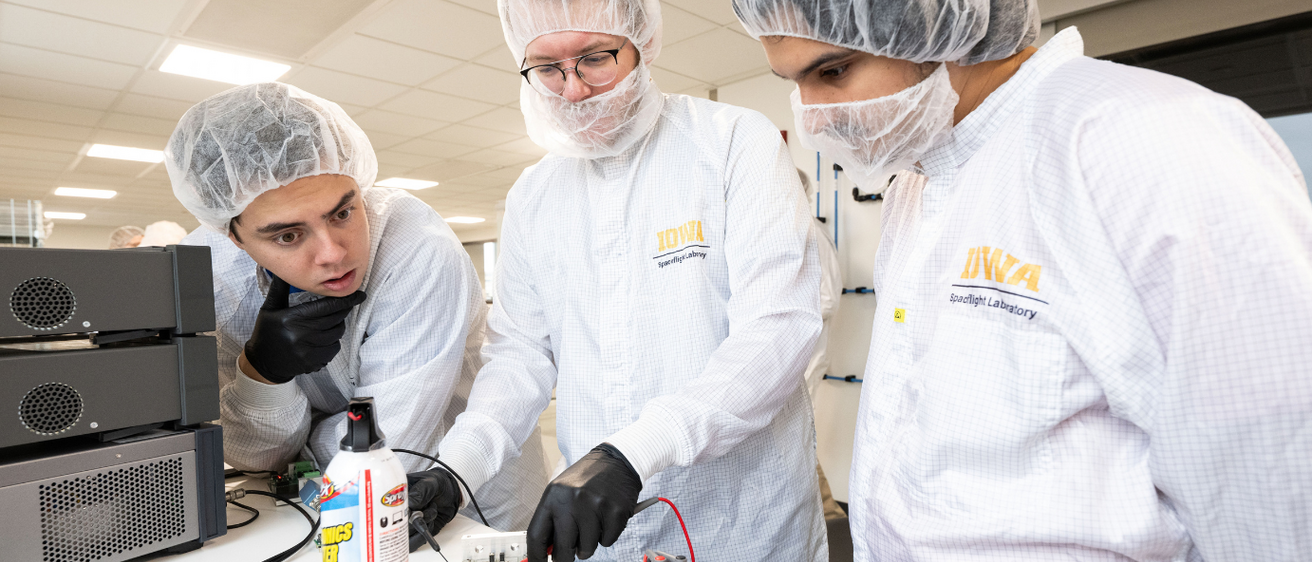
About a dozen undergraduates and several graduate students are building and testing hundreds of electronic circuits and protective boxes that will be central to one of the most high-profile particle physics experiments of this century.
Called the Deep Underground Neutrino Experiment (DUNE), physicists from Iowa and around the world have teamed up to detect neutrinos, elusive particles that may explain what makes up the universe and all that’s in it, including us.
Neutrinos are tiny particles that rarely interact with matter, allowing trillions of them to pass through our bodies and the Earth every second. Scientists say studying neutrinos could explain how the universe formed and how it’s evolved.
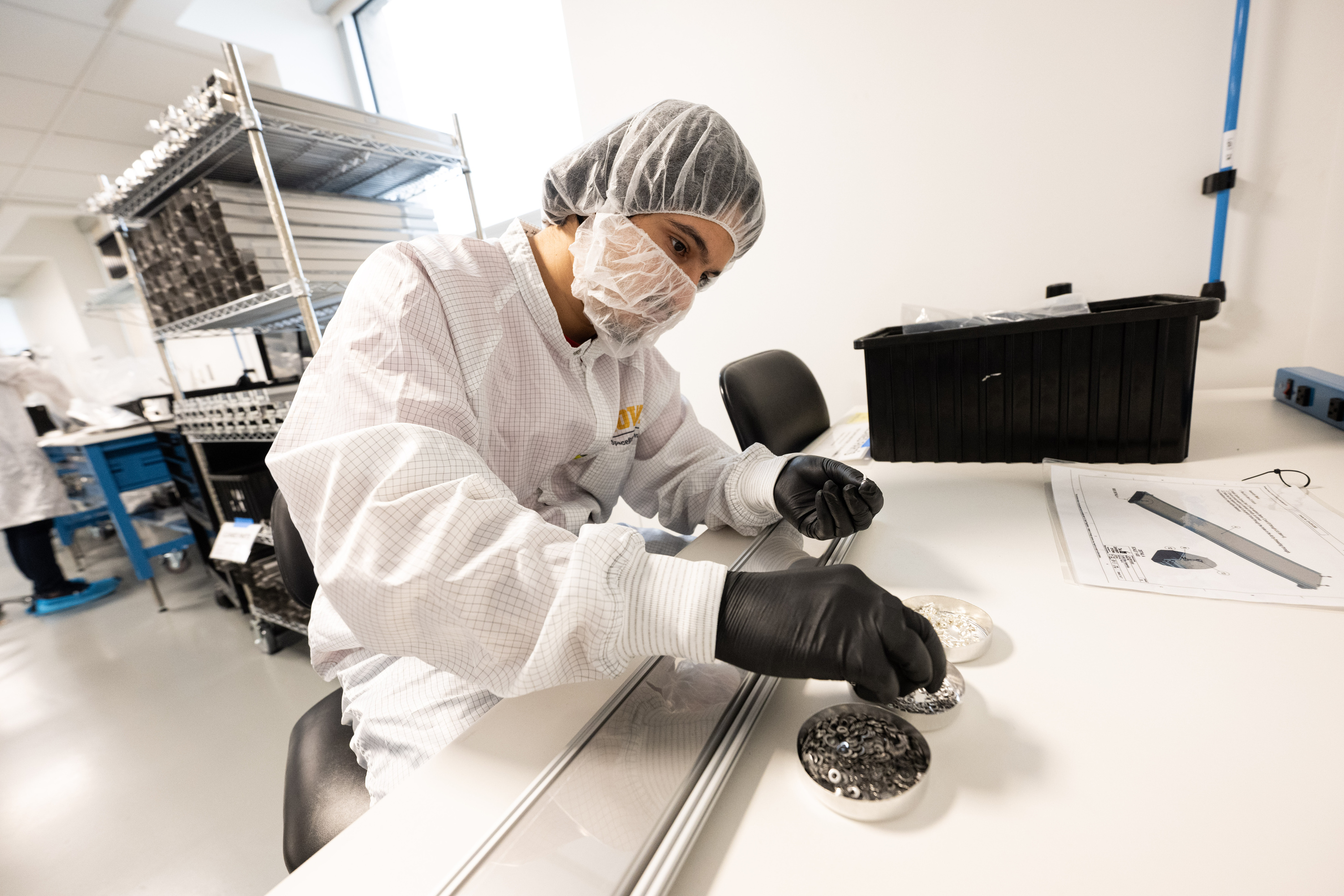
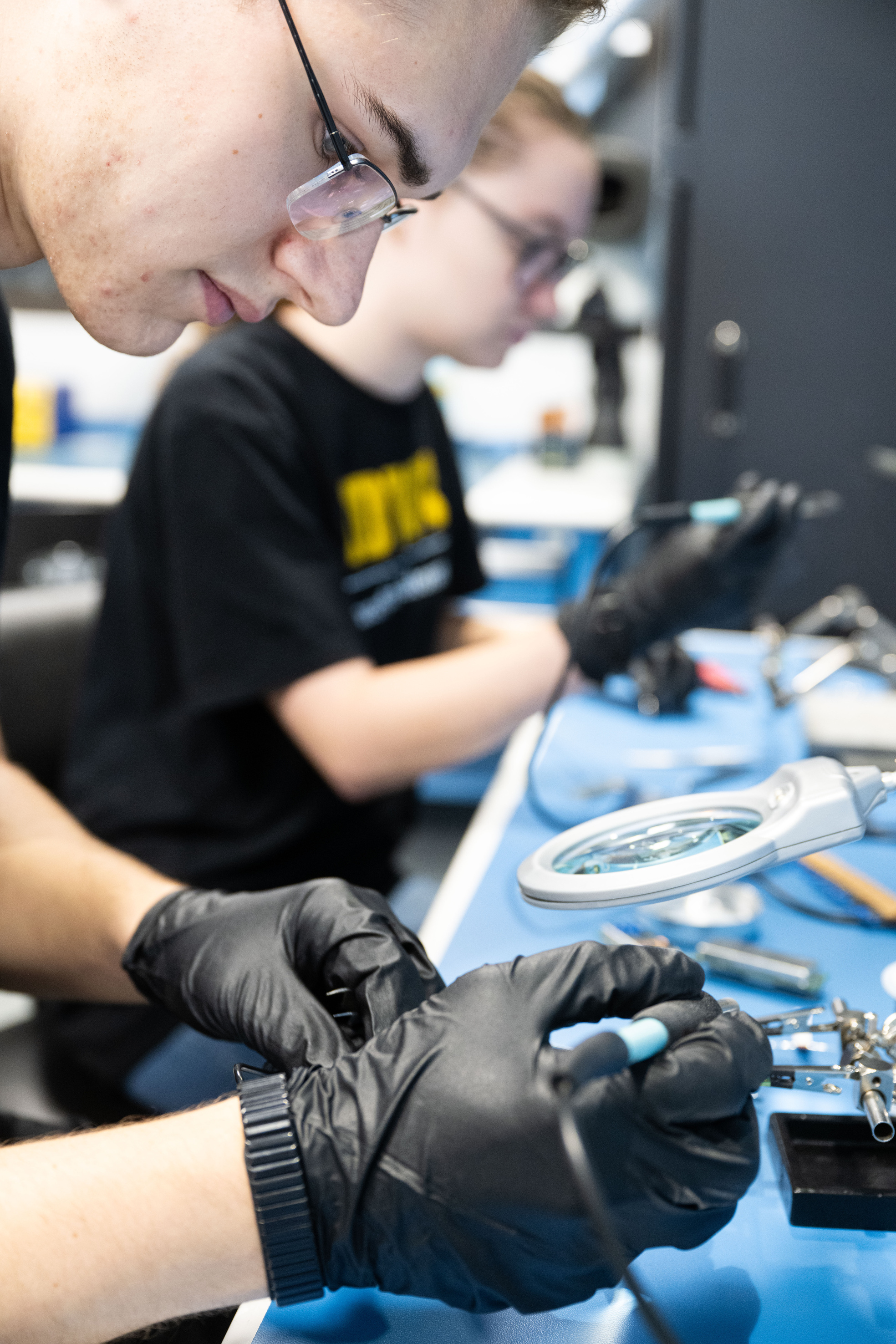
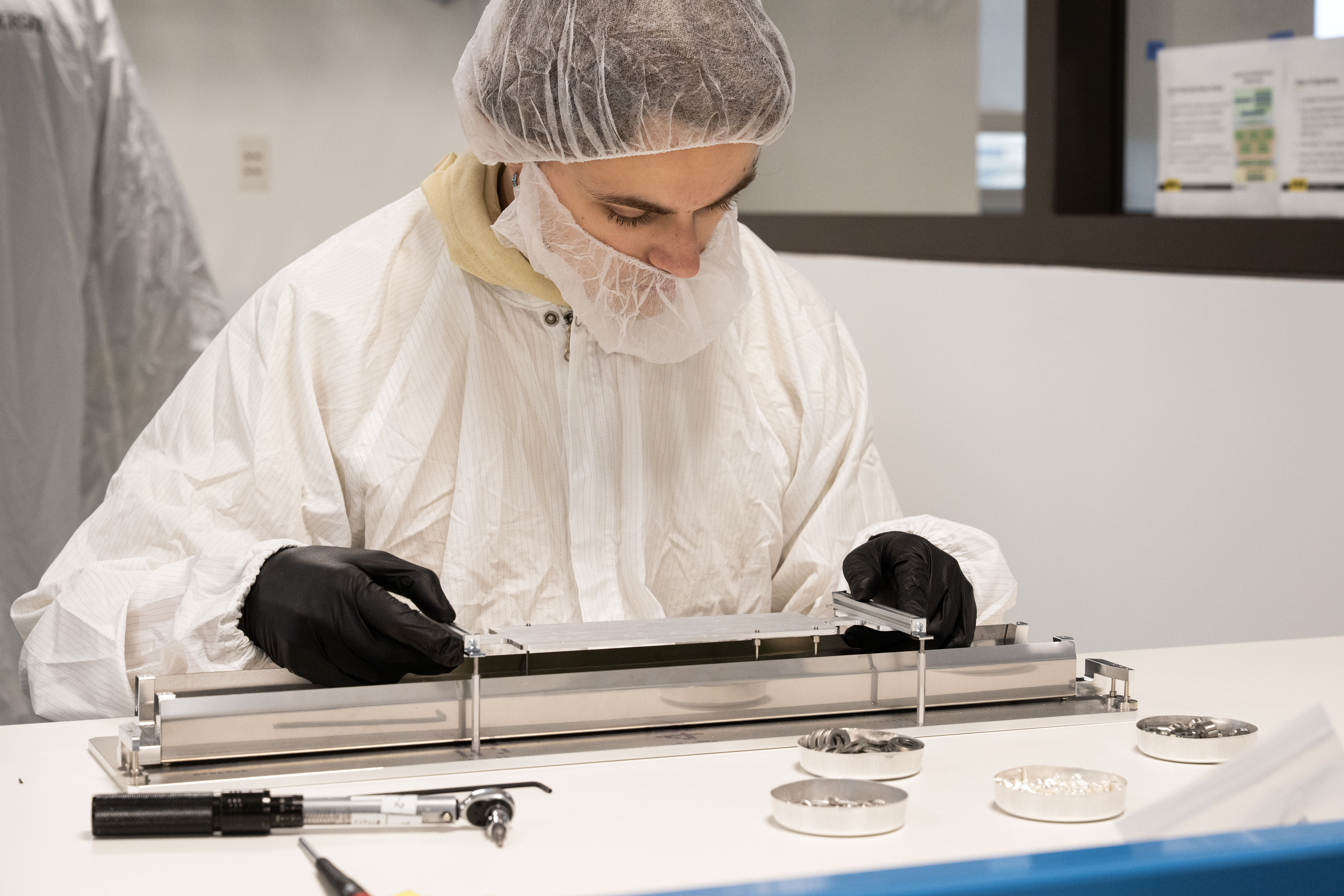
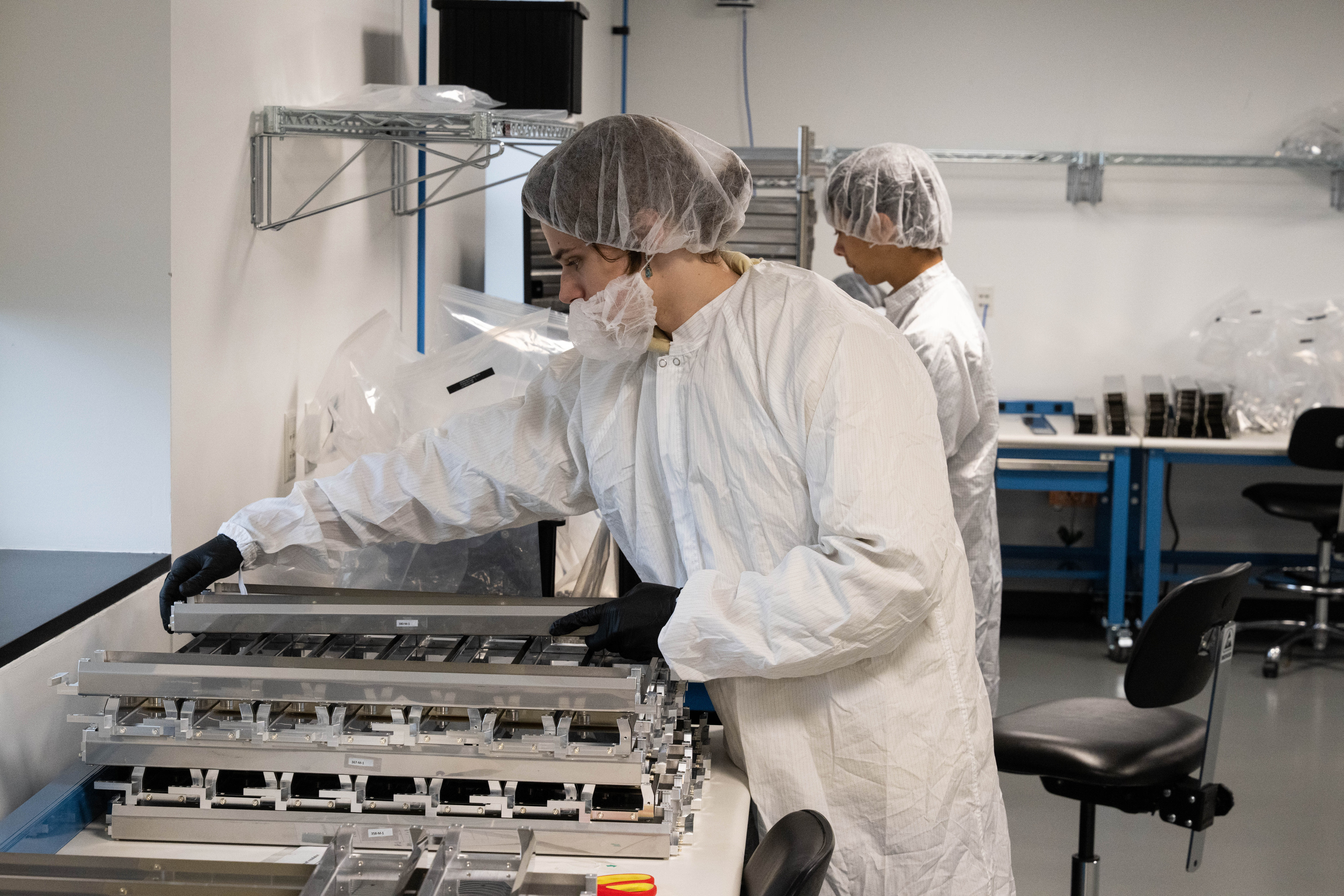
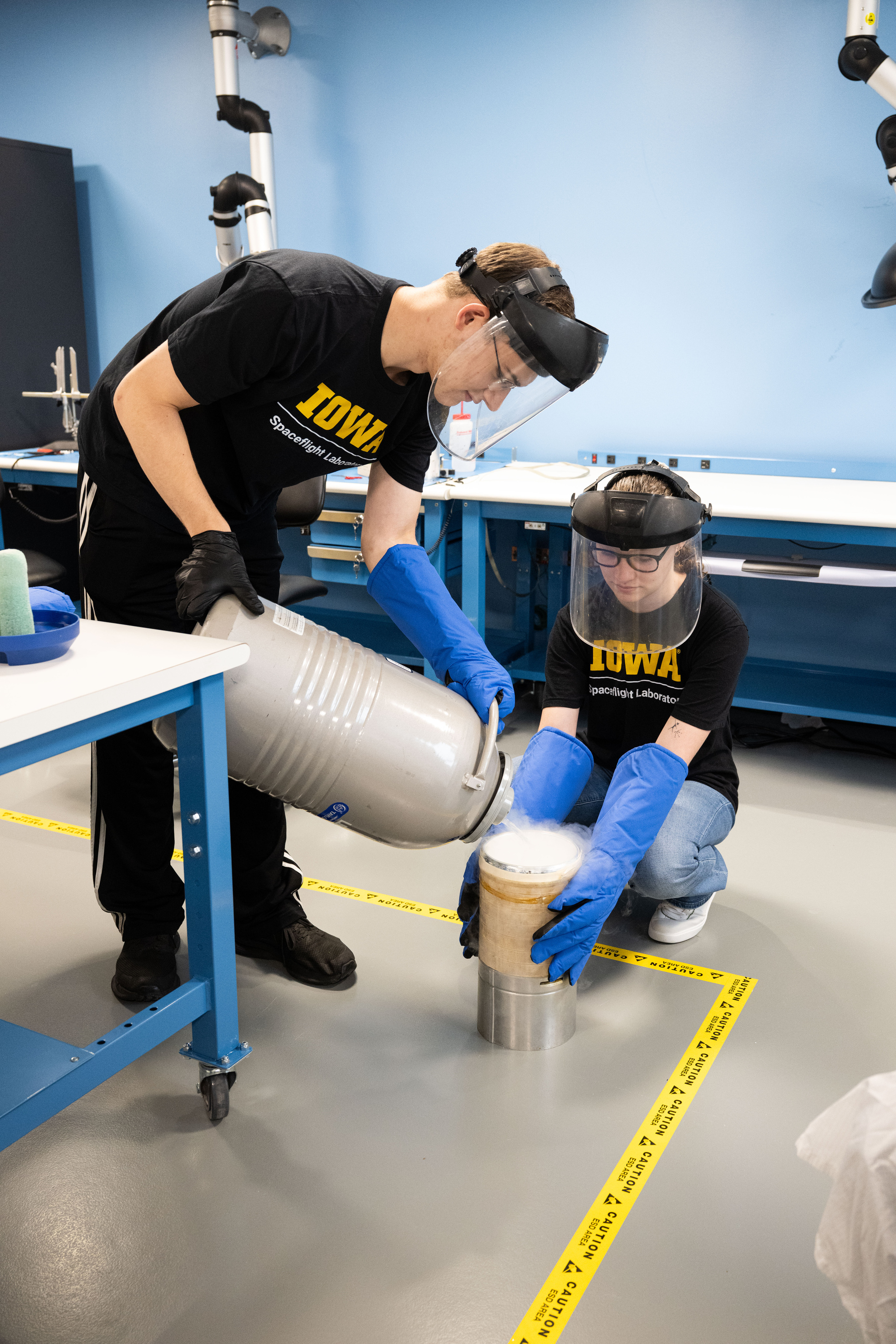
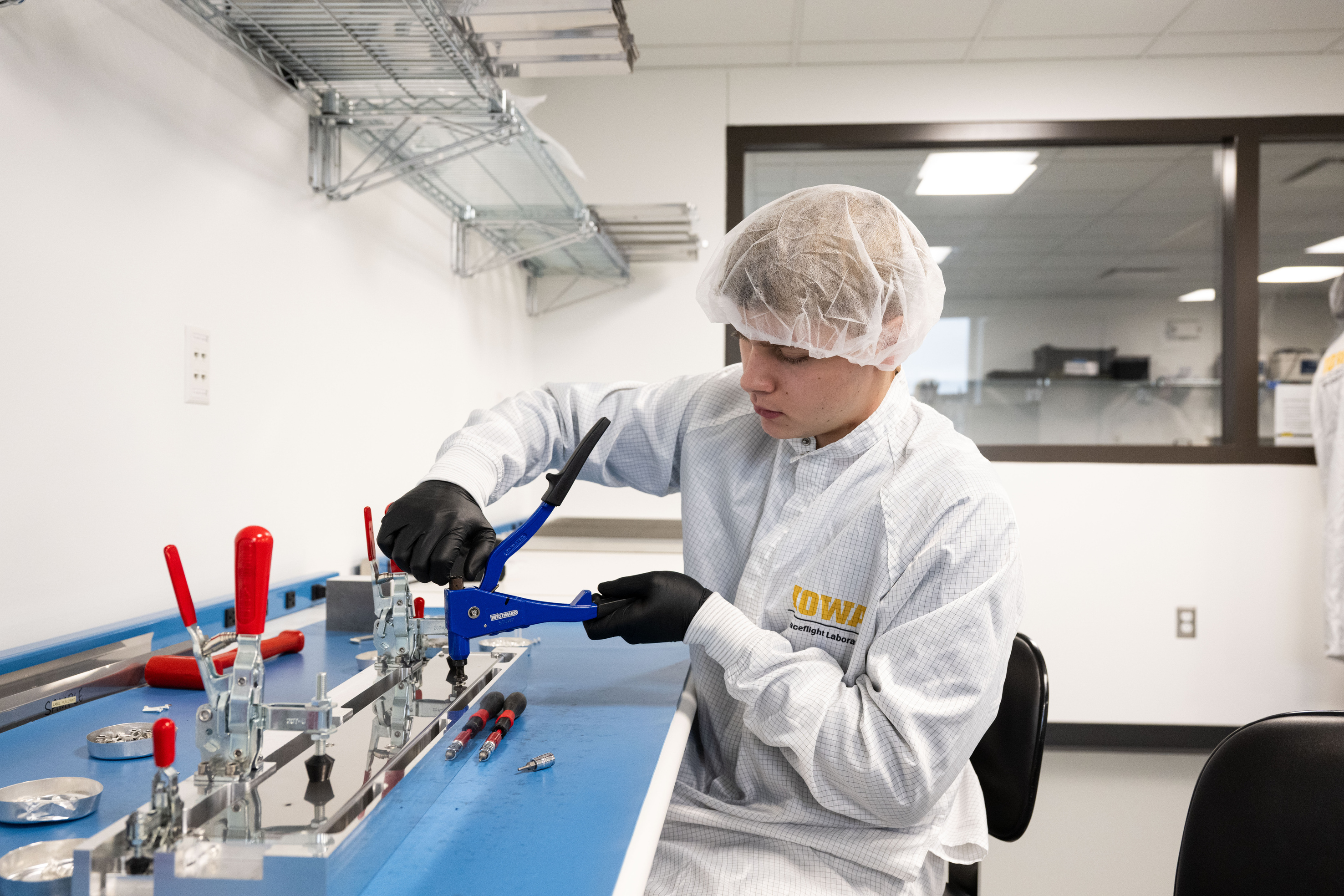
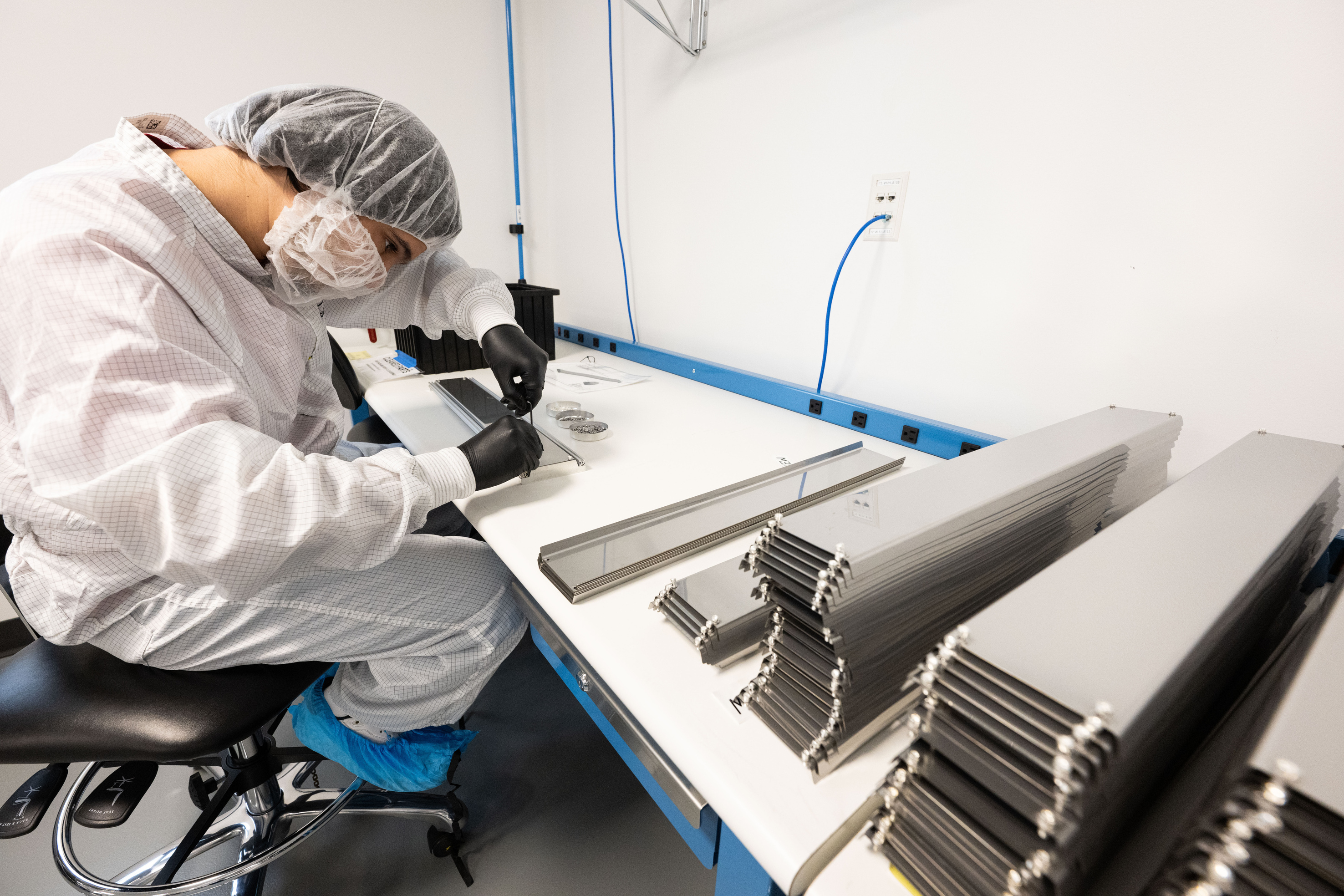
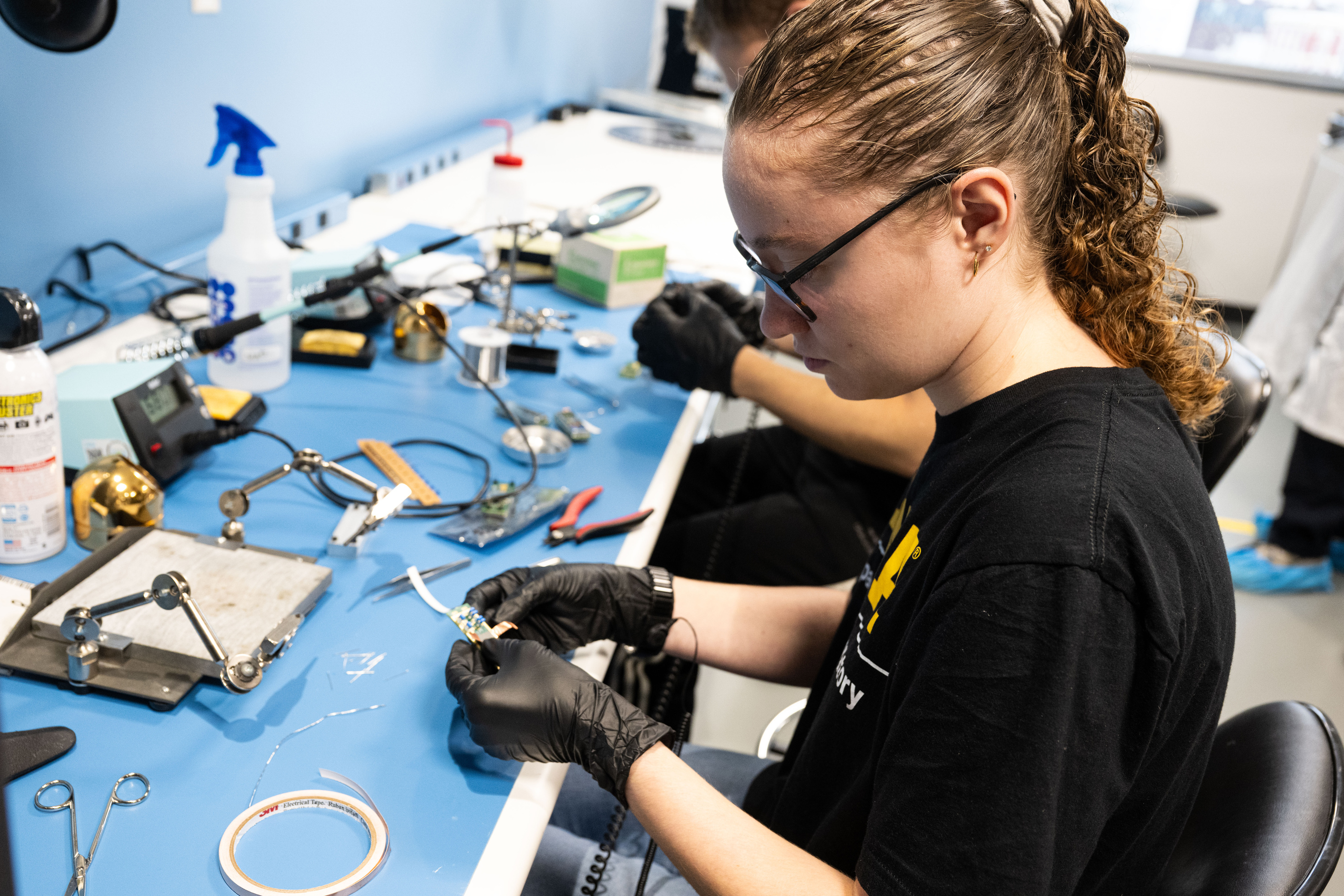
Since last summer, the UI students have gathered at stations, like an assembly line, in the Iowa Spaceflight Lab on the top floor of Van Allen Hall.
The student teams are building and testing the electronics and electrical protective boxes that will power the photon (particles of light) detectors housed in one of the DUNE detectors – each the size of a jumbo jet—located a half mile underground at the Sanford Underground Research Facility — a former gold mine—in Lead, South Dakota. The detectors will be located underground to increase the chances of detecting neutrinos and lessen interference from outside sources, such as cosmic rays.
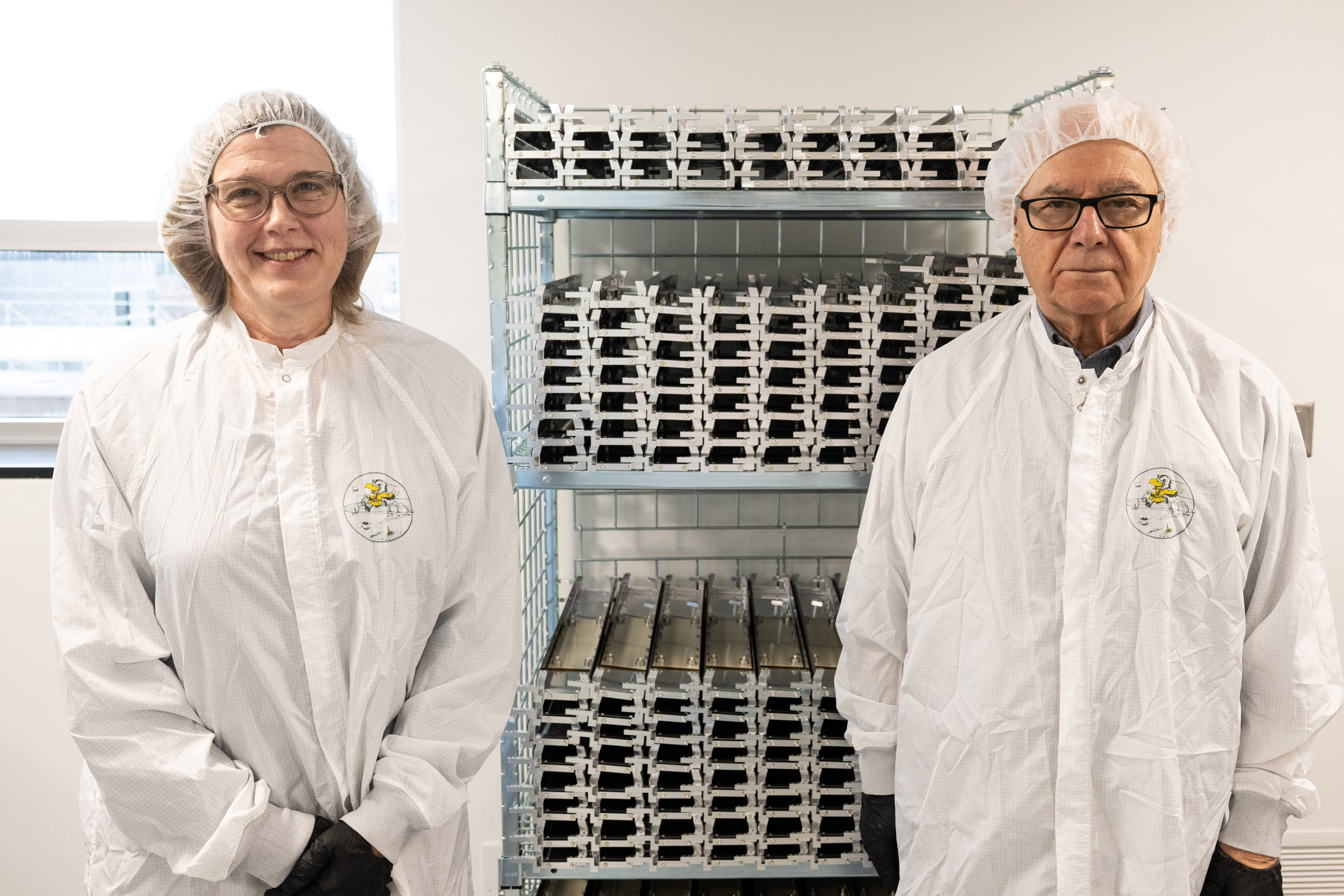
Jane Nacthman and Yasar Onel, professors in the Department of Physics and Astronomy at Iowa, are the university’s lead investigators for DUNE. They won the funding that supports the UI students’ involvement.
“A lot of students have gained a lot of knowledge about engineering and electrical circuits and how these large project works, as well as being inspired by the physics,” Nachtman says.
One of those inspired students is Sydney Tune, a senior from Strafford, Missouri, majoring in physics and astronomy with minors in geoscience and mathematics. “I think it's really cool that one day I'll be able to say, ‘Hey, DUNE found this, and I helped them with that discovery,’” Tune says.