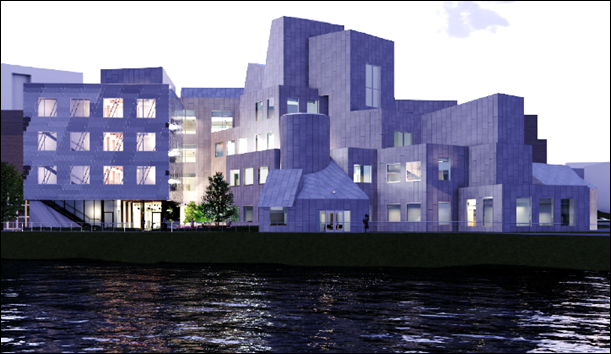
Last week, a titan within the world of architecture, Frank Gehry, passed away at the age of 96. While Gehry’s iconic designs grace the entire globe, the trajectory of his fame has a unique connection to the University of Iowa.
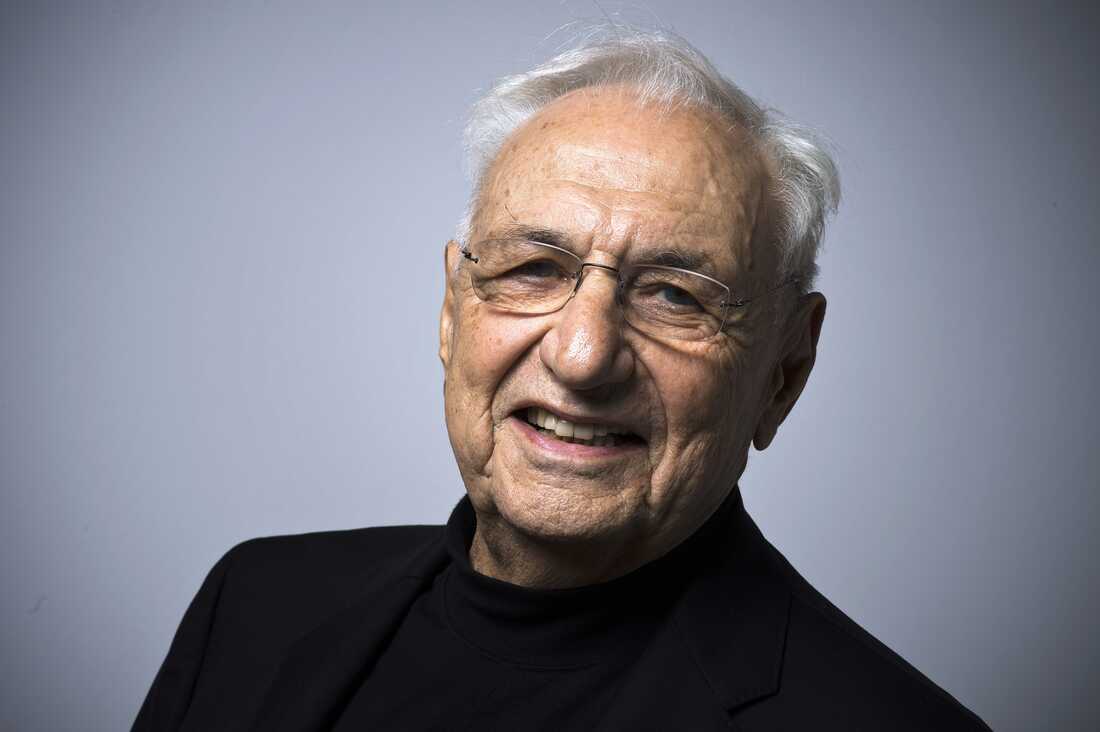
More about Frank Gehry
Named among America's most recognizable architects, read more about the life and work of Frank Gehry in this obituary in the New York Times.
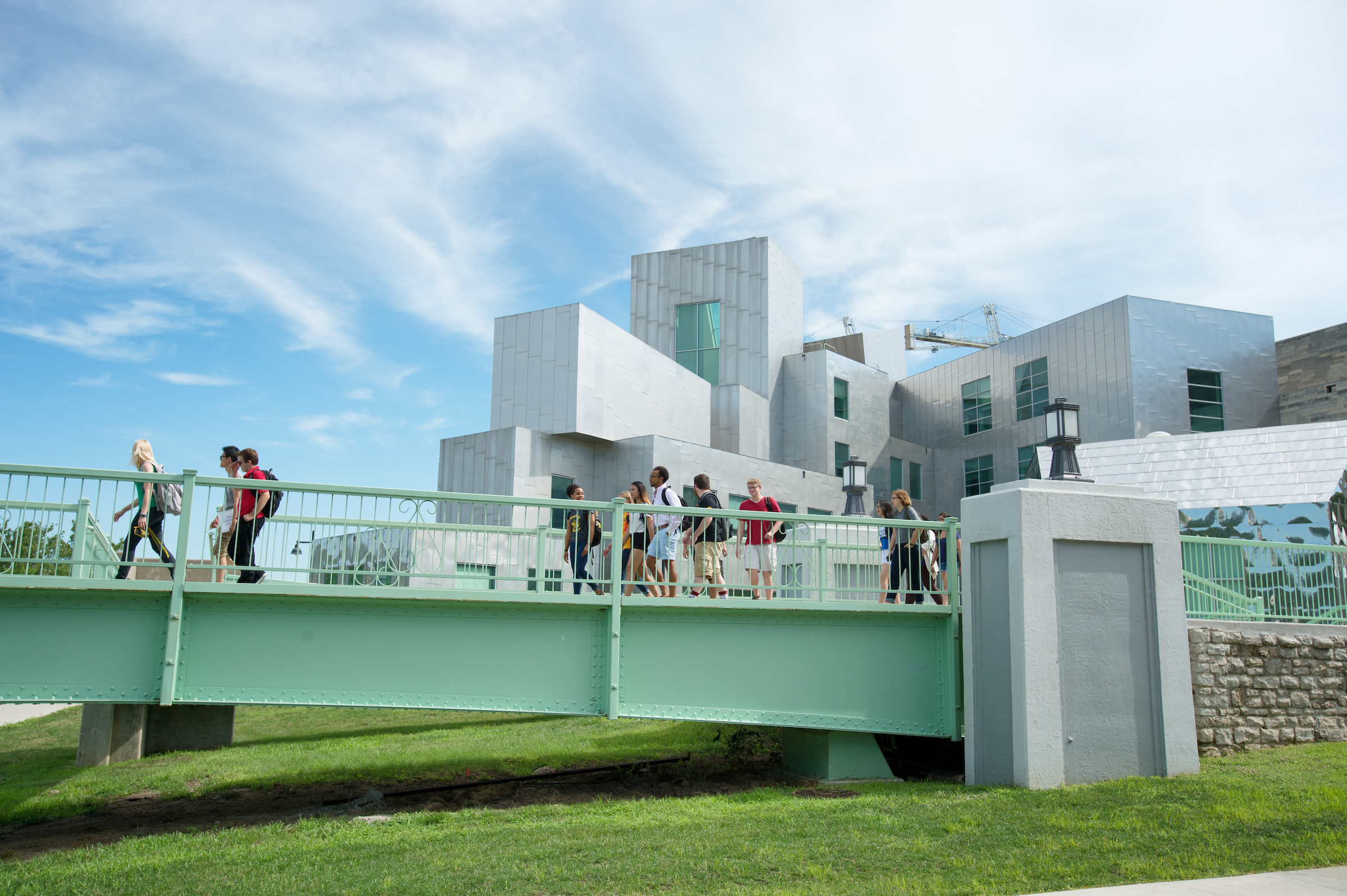
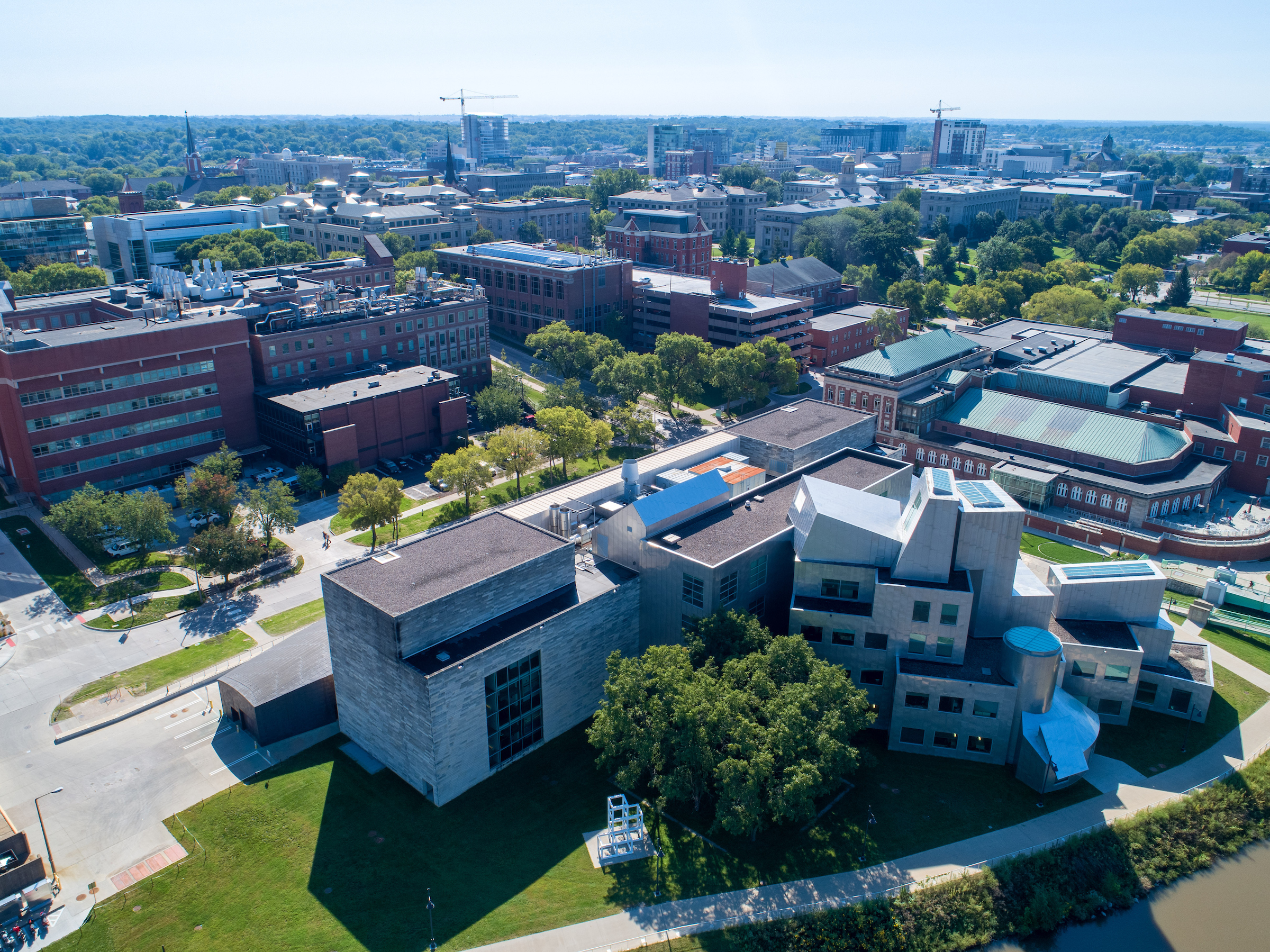
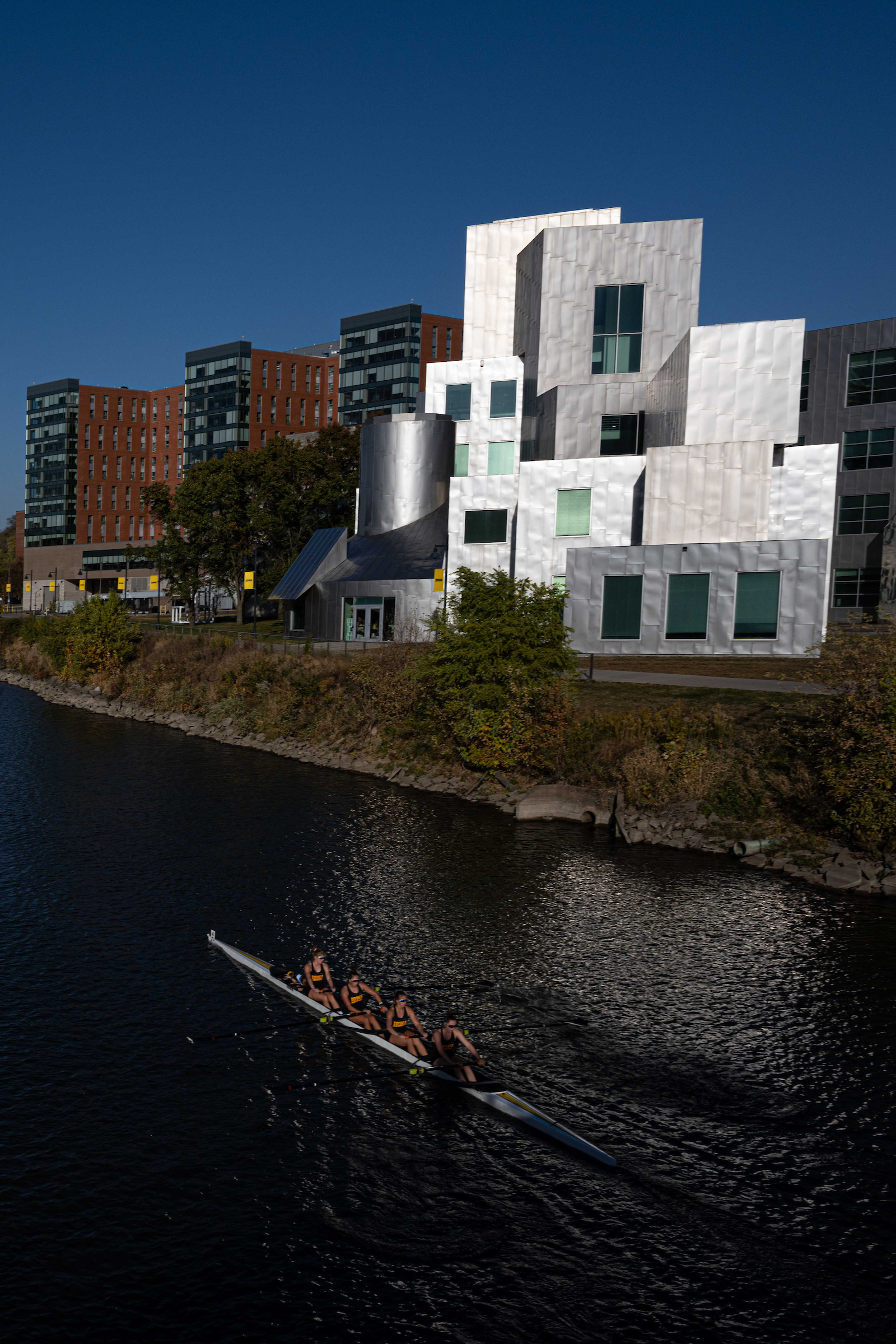
As a steward of Iowa’s campus master planning, and having been involved in more than 30 years of exciting development on our campus, I have had an inspiring seat and small part in partnering with some of the world’s most recognized architects. Ours is a campus that has represented the creativity of a university and community steeped in and committed to the arts. Iowa has become well-known for the iconic architectural works that highlight our campus. In addition to works by Gehry, who designed the Iowa Advanced Technology Laboratories (IATL), we have beautiful and artistic buildings designed by Steven Holl (Visual Arts Building and Art Building West), Pelli Clarke Pelli (Hancher Auditorium), and many other architectural luminaries.
The genesis of IATL
During his five-year tenure as UI president (1982–87), James O. Freedman targeted the emerging research field of laser technology and aimed at attracting the greatest in this field to Iowa. The centerpiece of that plan was to be an architectural work that exuded the promise of research into the future. In continuing Iowa’s dedication to meaningful and iconic architecture, Gehry was commissioned to design the new laser center. While already a well-known architect, Gehry was beginning to develop a new design style that would vault him to international celebrity. Shortly after completion of a small museum project in Germany (Vitra, 1989), where Gehry assembled large plaster objects into an expressive “piece of art,” he headed to Iowa City.
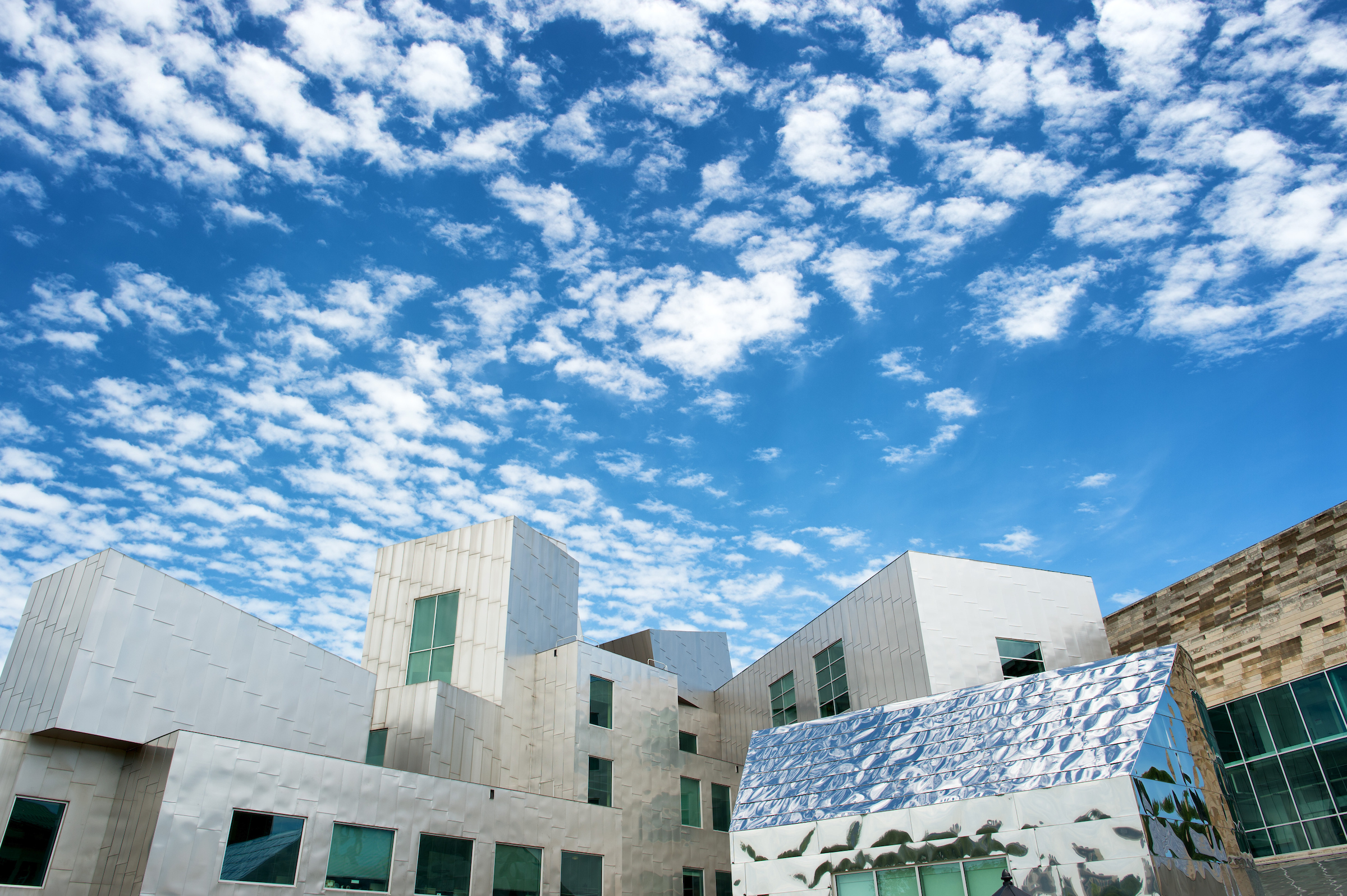
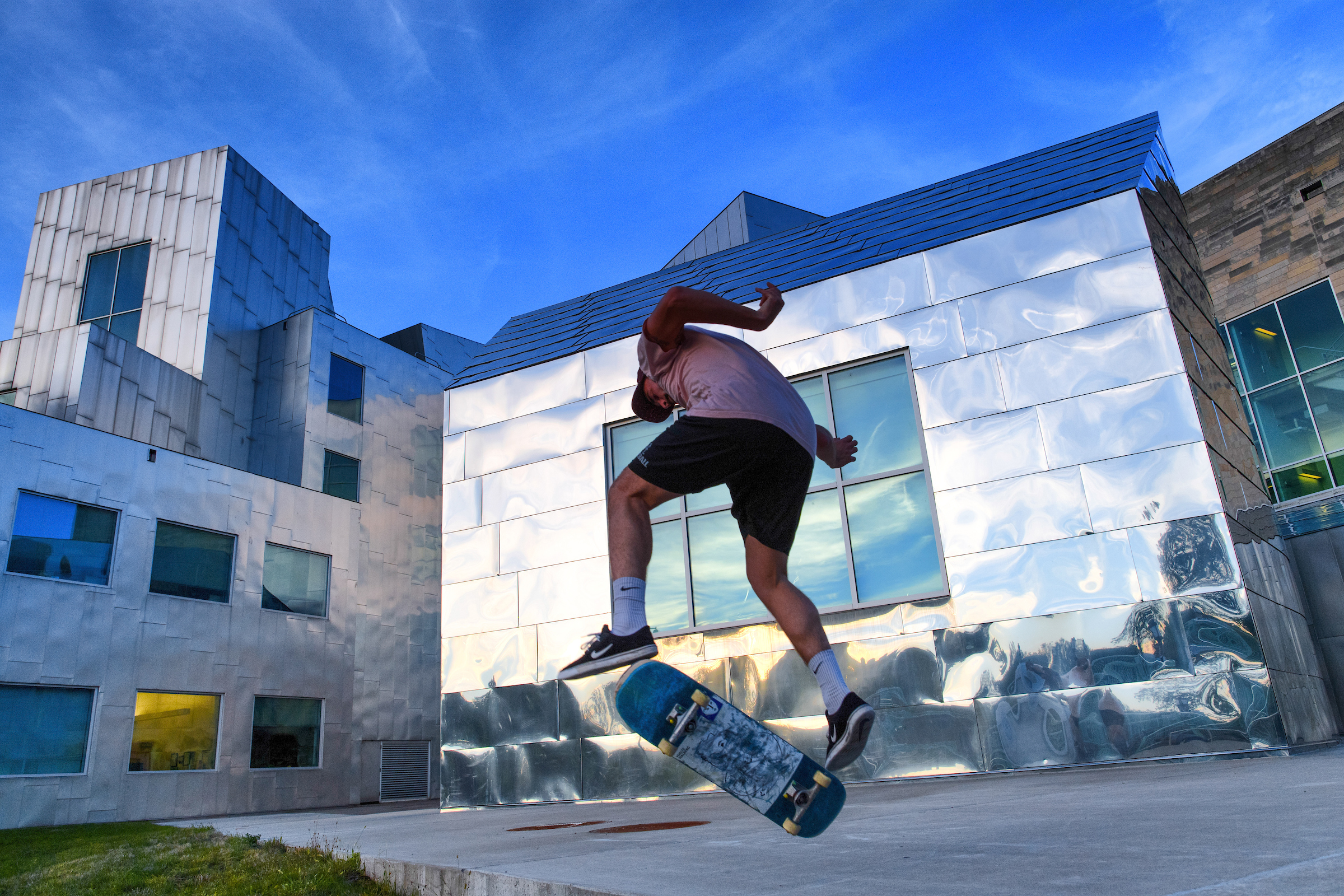
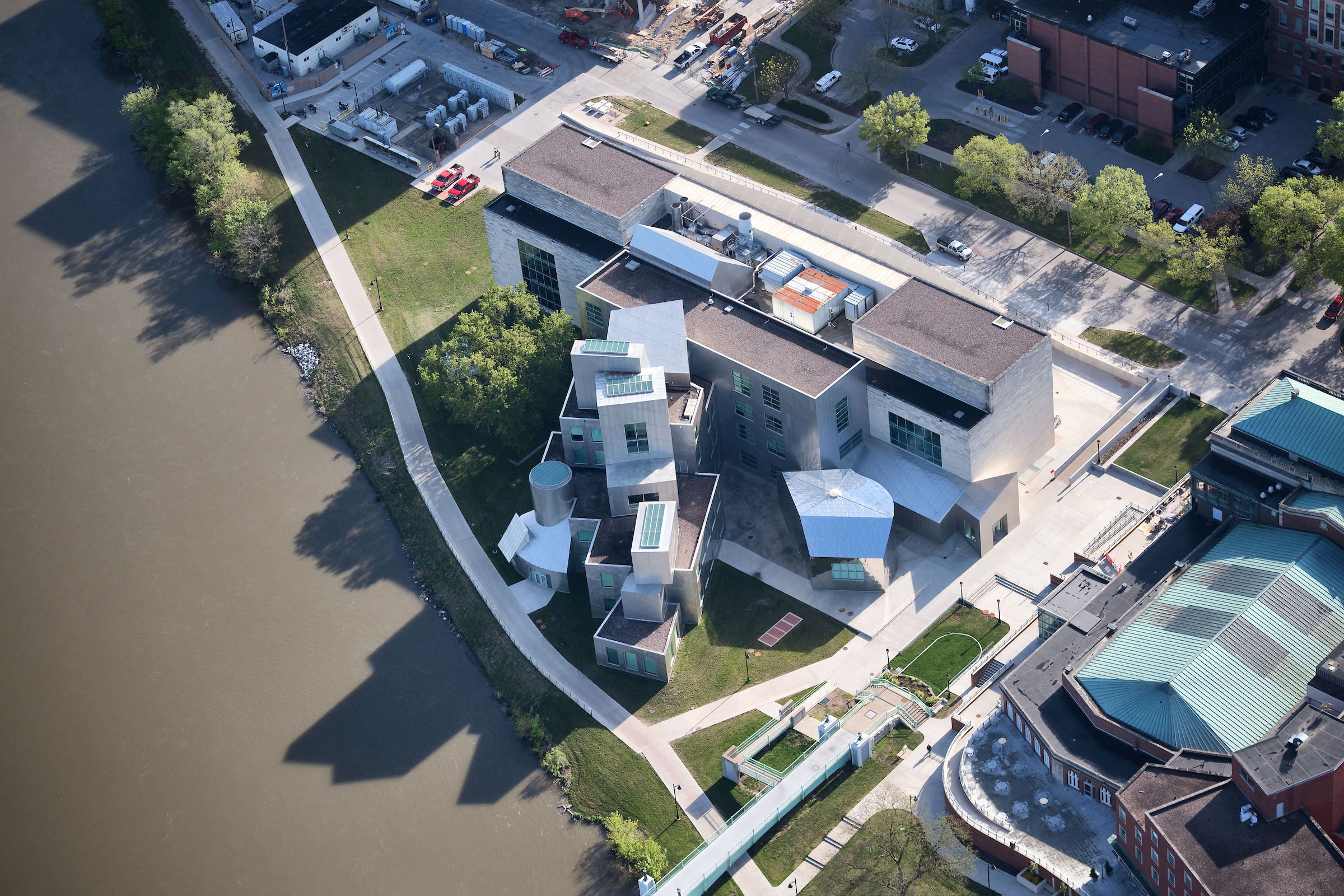
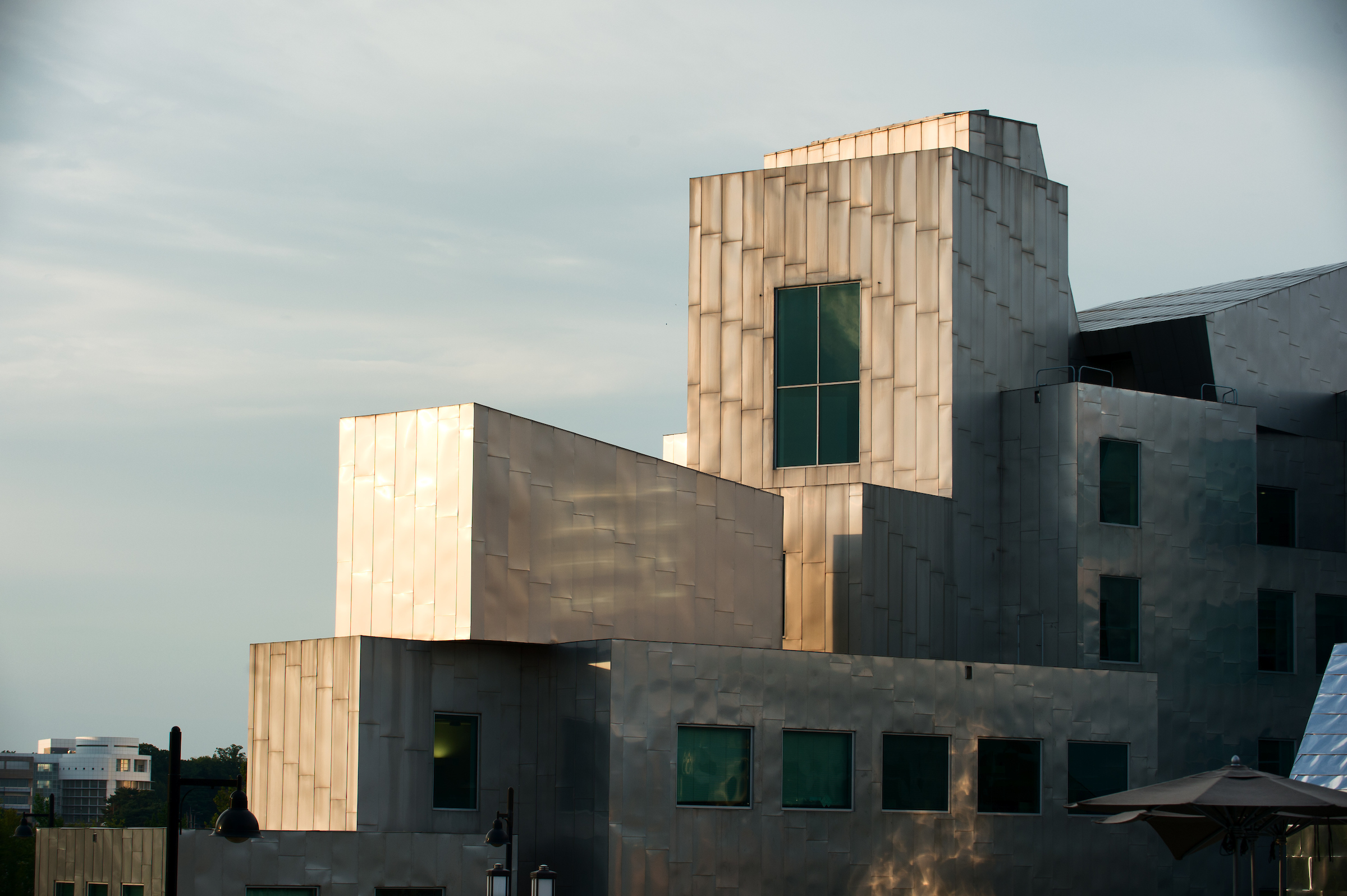
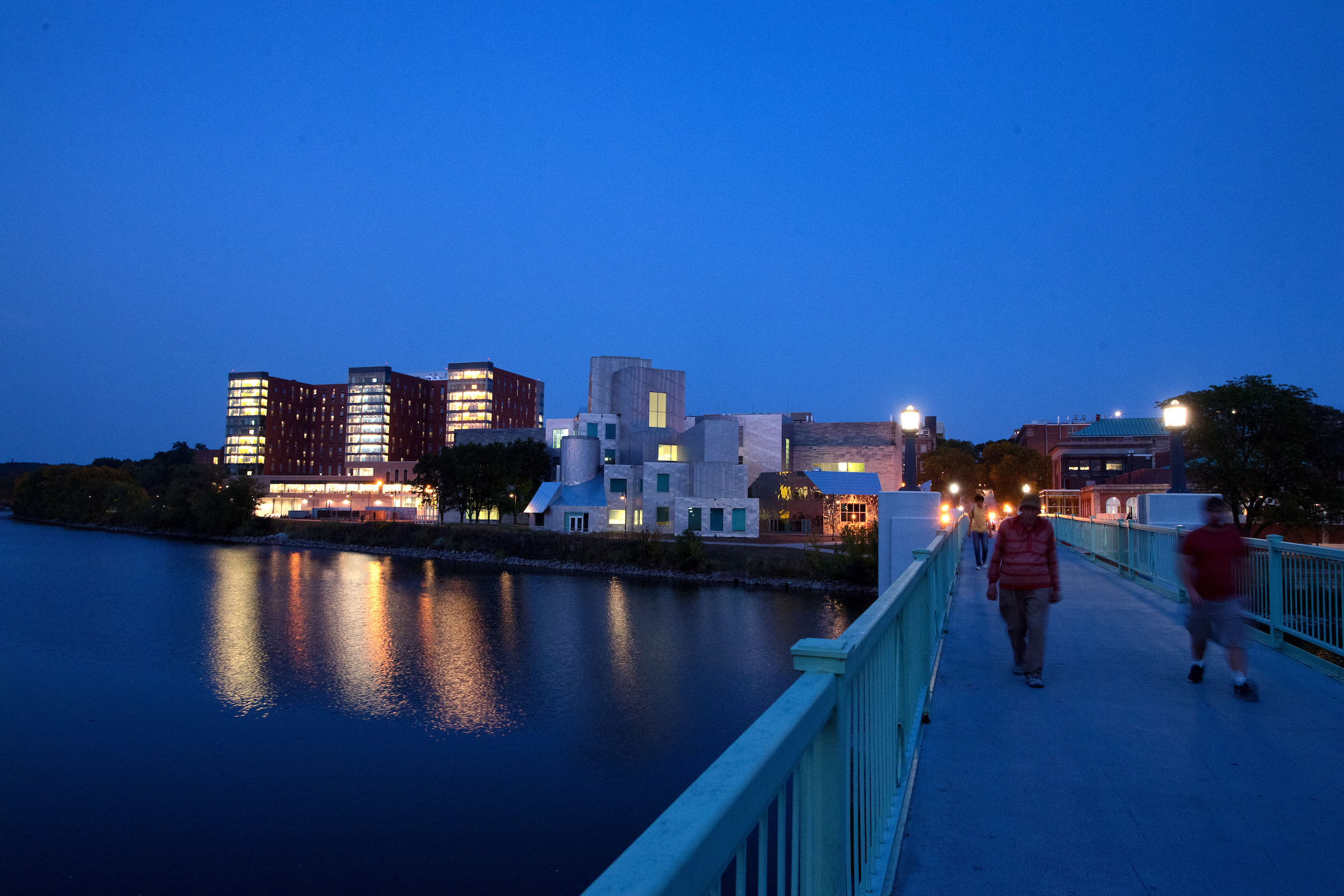
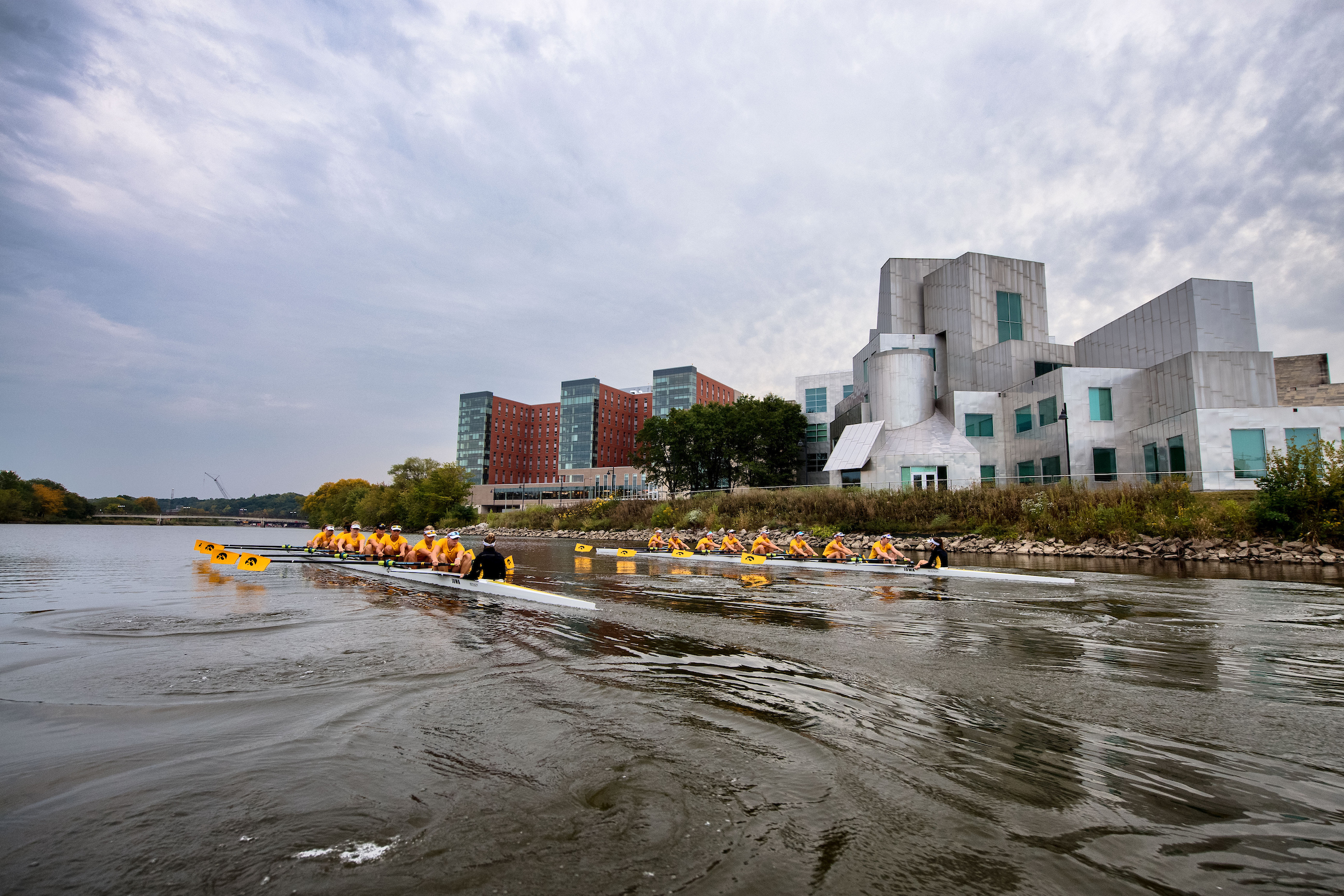
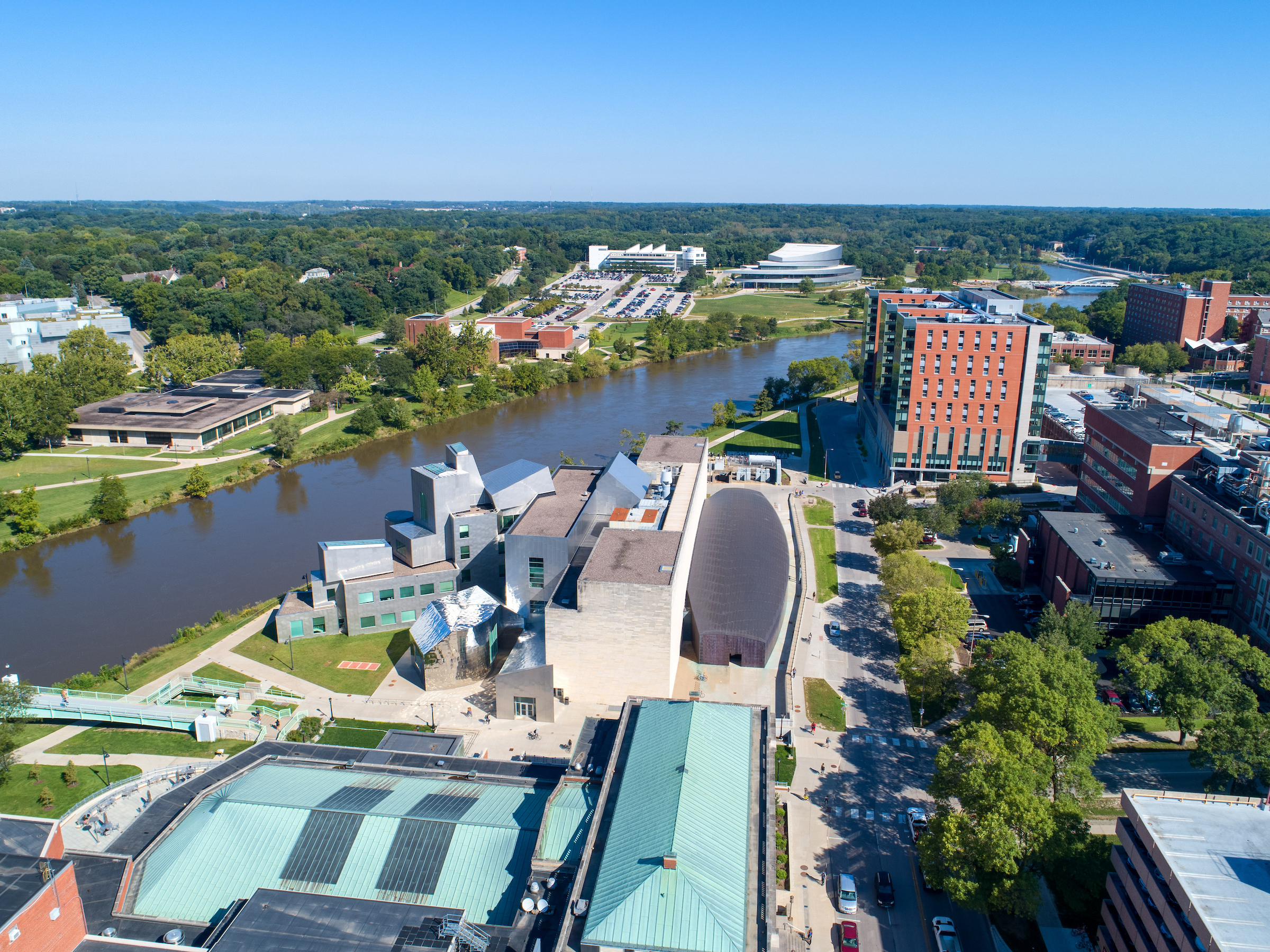
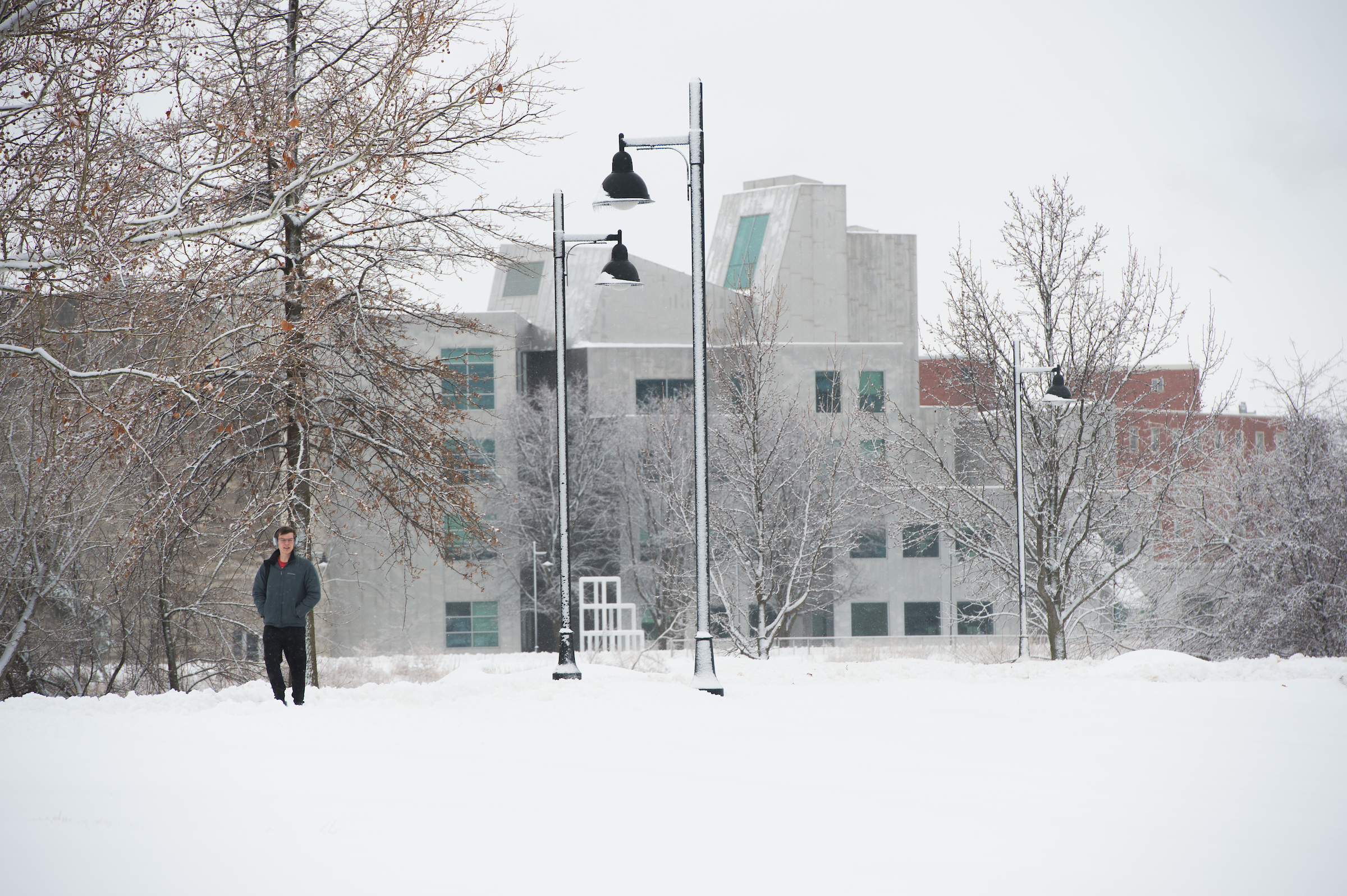
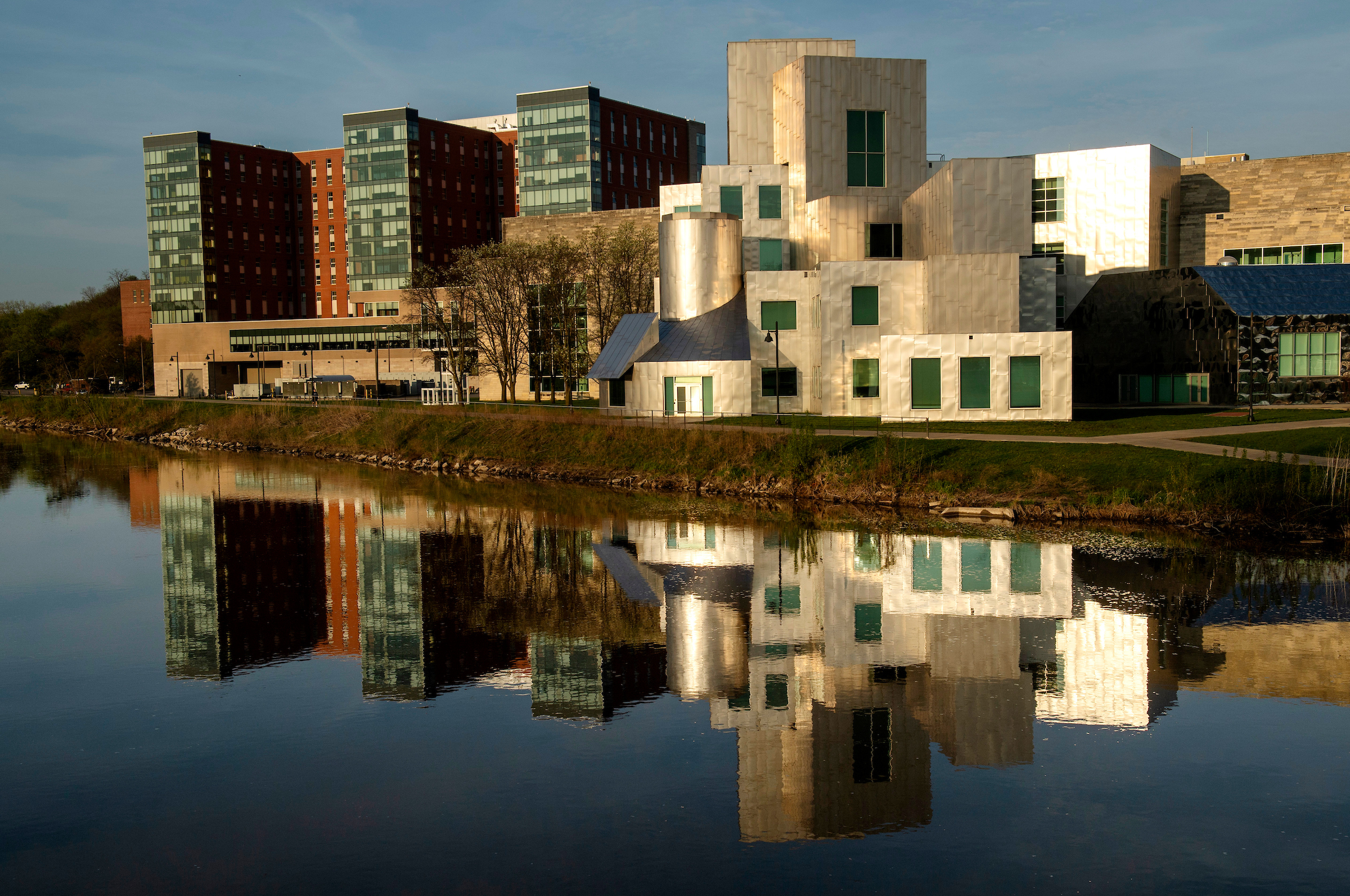
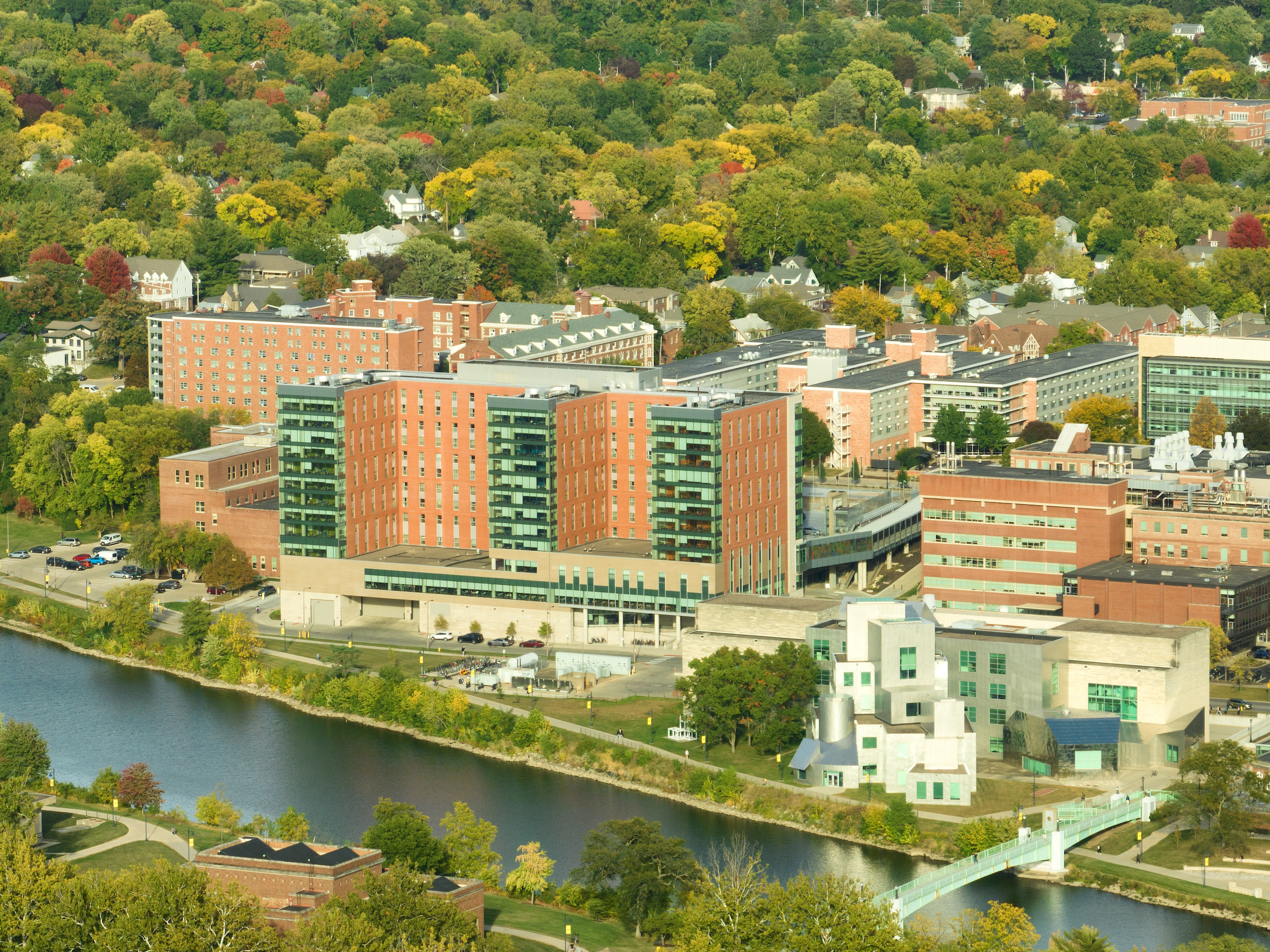
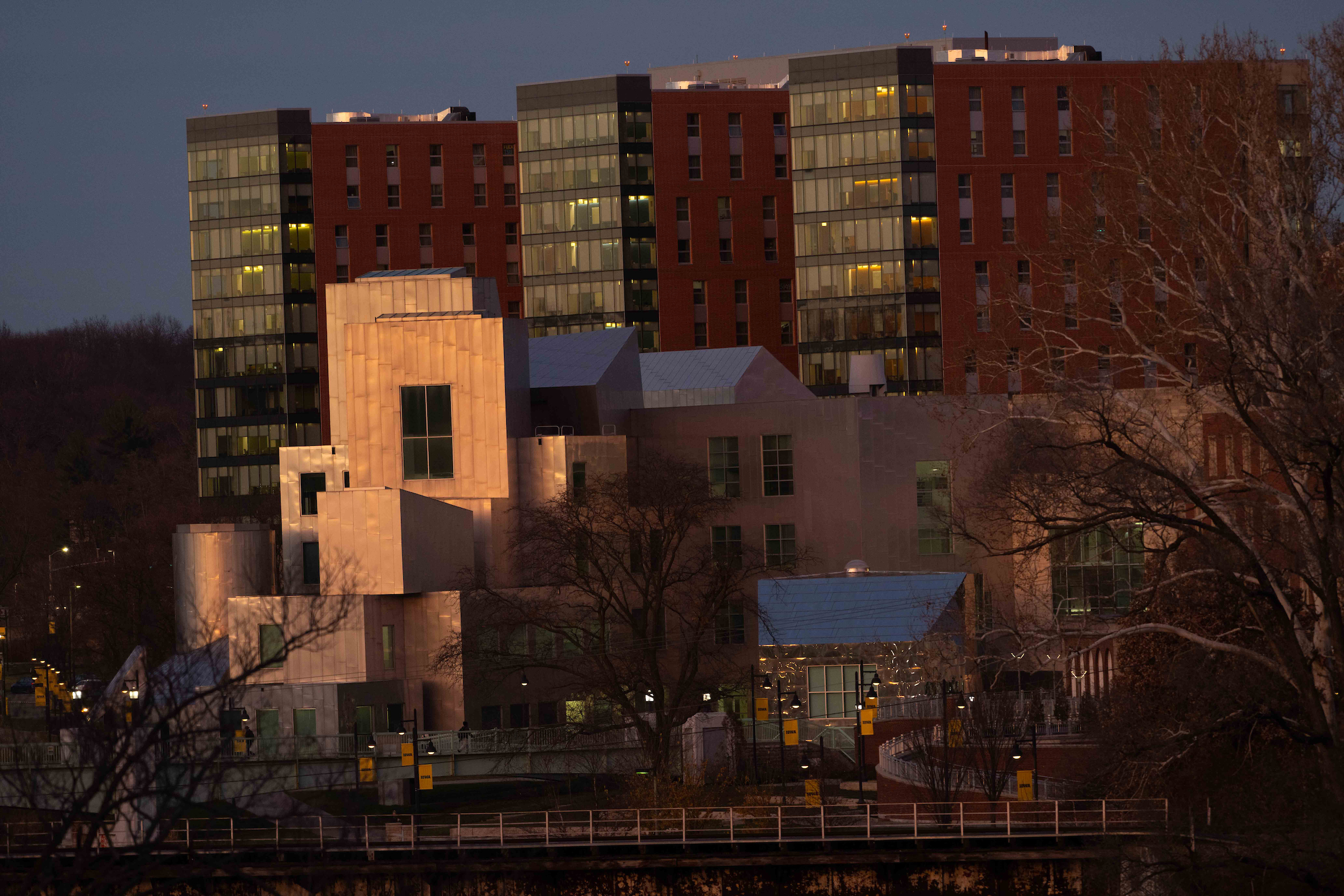
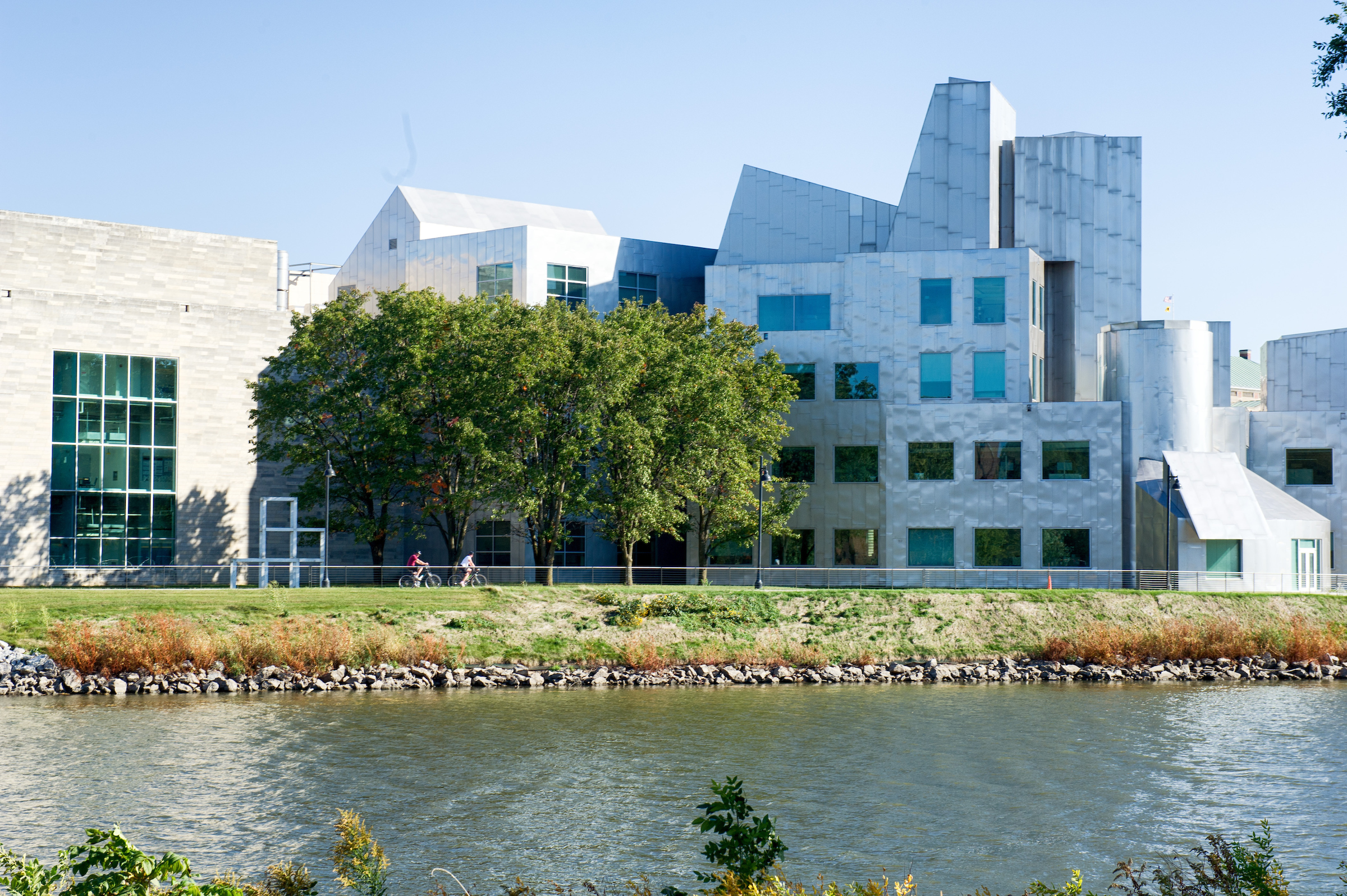
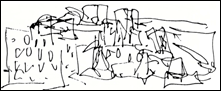
His vision for Iowa’s laser technology lab was to expand this new expression, referred to by many as “deconstructivism,” with a larger building and one centered on the use of stainless-steel surfaces. Dramatically positioned on the east bank of the Iowa River, it would reflect the sun, the sky, and the surrounding campus. As would become a common theme in Gehry projects, he incorporated references to fish within this “near the water” project. The exterior of the building would be clad in overlapping sheets of steel, visually imitating fish scales. On the east side of the building, he included a large copper shell, literally intended to represent a giant fish.
The project was bid in two separate packages — the foundation first and then building above it. As work on the foundation was advanced, bids for Gehry’s bleeding edge of architectural innovation soon revealed great challenges for those who would build it. Costs far exceeded available funding, and the project stopped in its tracks.
The completed foundation sat while fevered debates about making the building fit the budget took place. Eventually, a difficult and controversial decision was made to eliminate one of the wings of Gehry’s design. While the architect publicly complained about Iowa’s choice to alter his work of art, construction finally moved forward and was completed, sans one riverfront “cube.” IATL was finished and opened in 1992.
From the time of its completion, despite being short of Gehry’s vision, IATL has represented a touted and visually exciting location on our campus. Soon after it, Gehry took the same stainless-steel assembly concept to other locations, including the University of Minnesota’s Weisman Art Museum (1993), the famous Guggenheim Museum in Bilbao, Spain (1997), and the Walt Disney Concert Hall in Los Angeles (2003). Countless other Gehry icons have added to his fame, but Iowa’s IATL represented a turning point in his career.
And its story does not end there.
Most have come to know or hear about the catastrophic flood of the Iowa River in 2008. The $750 million disaster affected 22 major buildings on Iowa’s campus, including IATL. Years of hard work and federal negotiations allowed Iowa to repair the building and protect it from future flood risks. Nearly the entire stainless-steel exterior skin was removed and replaced as part of its recovery. While the floodwater only reached the first couple of feet of the ground floor, the design of Gehry’s overlapping steel “scales” required that the entire surface be taken off, if any one panel was removed. Additionally, while river waters only affected the base of the exterior walls, removal of the panels revealed water damage throughout, primarily from rainwater breaching the porous façade — a common shortfall of Gehry’s expressive designs. Replacement of the exterior walls also allowed them to be reconstructed with modern technologies that would effectively “button up” the exterior. As was quipped when finished, Iowa now had the first Gehry building that didn’t leak.
We are proud that Gehry’s IATL is a special part of our campus and architectural heritage, and we are now excited to honor him in one last way.
Through multiple site and building projects, and partnerships with the Federal Emergency Management Agency, the IATL site has been protected from future flood risks. This has allowed the university to finally advance a project that will complete Gehry’s original concept for the building. Construction has just begun on an addition, fittingly designed by BNIM-Iowa and the same architect who partnered with Gehry on the original, more than 30 years ago, Rod Kruse. The addition will allow Iowa’s growing computer science program to move into a new, modern space, and Gehry’s missing cube-shaped wing will be constructed atop the original foundation wall intended to host it, thus completing his remarkable (fish) tale at the University of Iowa.
In learning of Gehry’s passing and the legacy he leaves, I encourage you to find time to stroll the banks of the Iowa River, and as the expansion project is completed, you will certainly enjoy catching a glimpse of Gehry’s artistry dancing in the reflection of the Iowa River.
It’s a building and an architect worth celebrating.
Rod Lehnertz is senior vice president for finance and operations, and Iowa’s fourth university architect since the position was established 95 years ago.