
With Earth Day right around the corner, you may be thinking of ways you can reduce your impact on the planet. But where does one start?
Reduce your energy use.
Why? Despite the tremendous growth in renewable energy in the United States, most electricity is still produced by burning fossil fuels, which contributes to climate change.
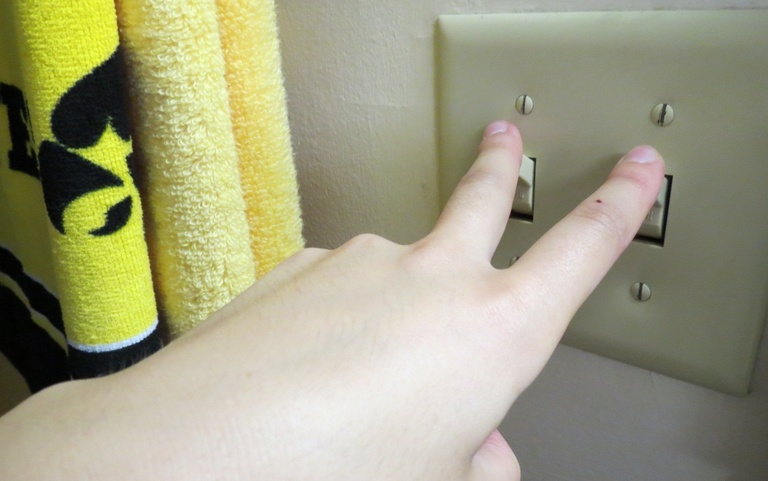
How? Turn off lights when you leave the room. Plug your computer and printer into a power strip, so you can turn them off completely when you’re not using them. Make the switch to LED bulbs. Be sure you have and use a programmable thermostat. Take advantage of energy-reduction amenities through your utility service—most offer really good home-energy-audit services and other incentives for energy-efficient appliances.
The bonus? Saving energy can reduce your monthly energy bill.
Reduce your food waste.
Why? Some experts estimate that as much as 40 percent of food is wasted, and that comes with real environmental, social, and economic consequences. When landfilled, food waste creates methane, a serious contributor to climate change. The USDA reported that in 2014, more than 48 million people lived in food-insecure households. Overall, the Natural Resources Defense Council reports that U.S. food waste costs Americans about $165 billion each year.
How? Shop wisely, and buy only what you need. Prepare, cook, and store food properly. Use it up before it goes bad. Check out the EPA’s guide, Reducing Food Waste At Home.
The bonus? You save dollars on your food bills.
Reduce your transportation carbon footprint.

Why? Overall, the EPA reports that the transportation sector is the second-largest source of greenhouse-gas emissions, which contribute to climate change.
How? This is really about choosing the least carbon-intensive mode of transportation. Walking, bicycling, and public transit are the best choices. On the weekends, combine errands into one trip. At work, use video-conferencing to connect with colleagues.
The bonus? You save money on gasoline; if you walk or bike to work, you enjoy the health benefits.
Reduce your consumption.
Why? Each day, the average American throws away over four pounds of waste. This consumption taxes our natural resources, increases pollution, threatens biodiversity, and ultimately contributes to climate change. With seven billion people in the world, it’s more important than ever to be careful and far-sighted when it comes to using natural resources.
How? Don’t buy it unless you need it. If you need an item you don’t use regularly, see if you can borrow or rent it. Avoid single-use items, and steer toward reusable or refillable products. Buy only durable products that are built to last. Look for items that are made of recyclable materials and that are easy to recycle in your municipal recycling program.
The bonus? You save money.