Carver College of Medicine
Search firm for VPMA, Carver College of Medicine dean to meet virtually with stakeholders
Thursday, April 14, 2022
The search firm assisting with the hiring of a new University of Iowa vice president for medical affairs and dean of the Carver College of Medicine will host virtual meetings with campus stakeholders April 25-29 to understand the job and the preferred qualities in potential candidates.
UI honors faculty, staff, students at Celebration of Excellence and Achievement Among Women
Thursday, April 7, 2022
Two exceptional female University of Iowa leaders and educators were awarded the Susan C. Buckley Distinguished Achievement Award for Staff and May Brodbeck Distinguished Achievement Award for Faculty at the University of Iowa’s annual Celebration of Excellence and Achievement Among Women on April 6
‘US News & World Report’ releases latest graduate, professional program rankings
Tuesday, March 29, 2022
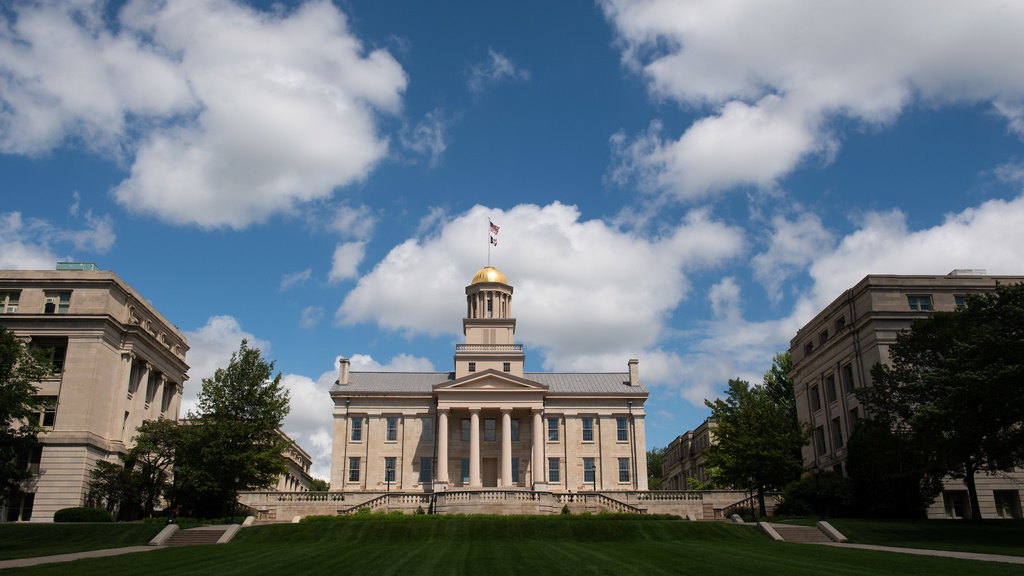
The University of Iowa continues to climb in the U.S. News & World Report Best Graduate School rankings. According to the 2023 report, 66 UI colleges and programs were recognized among the best in their field. Four of these programs, all in the College of Nursing, received a top-10 ranking.
VPMA and CCOM dean search committee members announced
Thursday, March 24, 2022
The University of Iowa has announced the search committee for the next vice president for medical affairs and dean of the Roy J. and Lucille A. Carver College of Medicine.
‘Cancer in Iowa’ report urges return to screening after COVID-19 put some on pause
Monday, March 7, 2022
41% of U.S. adults delayed or avoided medical care—including cancer screening tests—in 2020. While the extent of the impact of this decrease in screenings is unknown, it’s possible it may have led to delayed diagnoses and increases in avoidable cancer deaths.
Highlights from Iowa’s 175th anniversary weekend
Wednesday, March 2, 2022
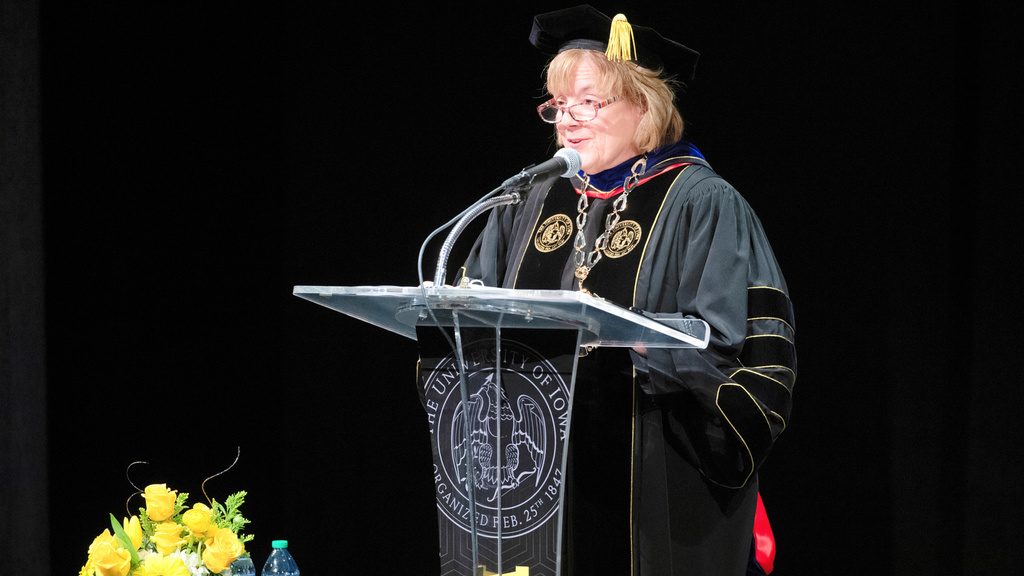
The University of Iowa officially celebrated its 175th anniversary on Feb. 25—27 with two key events, the installation of Barbara Wilson as the university’s 22nd president and the 2022 Presidential Lecture.
3 UI faculty elected fellows of American Institute for Medical and Biological Engineering
Friday, February 18, 2022
Donald Anderson, Gary Christensen, and Harriet Nembhard have been named members of the American Institute for Medical and Biological Engineering (AIMBE) College of Fellows.
UI VPMA and CCOM Dean Brooks Jackson returning to faculty
Thursday, February 17, 2022
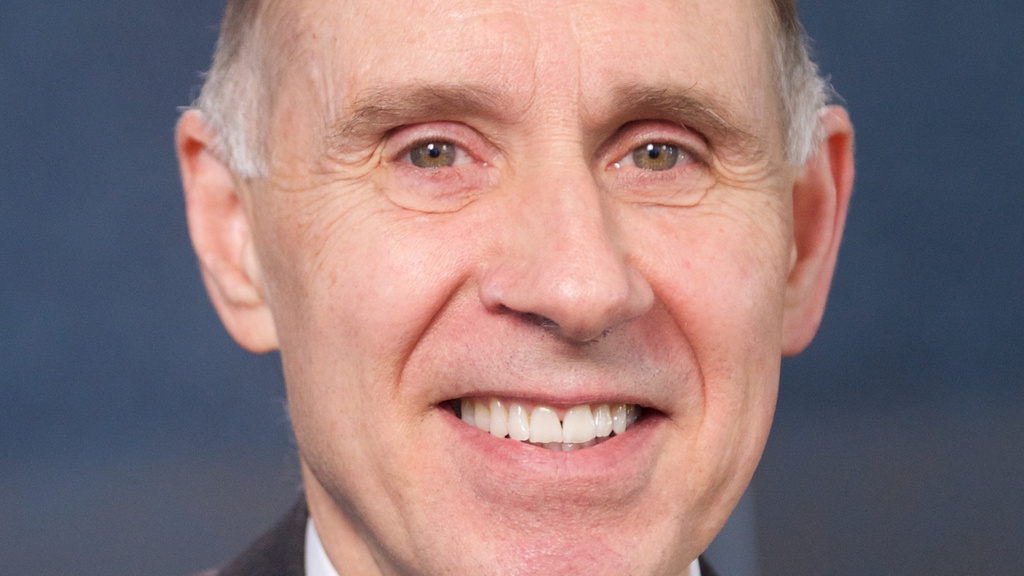
University of Iowa Vice President for Medical Affairs (VPMA) and Tyrone D. Artz Dean of the Carver College of Medicine Dr. Brooks Jackson has announced that he will return to the faculty and pursue his research.
6 faculty members awarded for excellence
Thursday, February 17, 2022
The Board of Regents, State of Iowa, honored six University of Iowa faculty members for their exceptional contributions and sustained record of excellence.
UI researchers use AI to address vision impairments in prematurely born babies
Tuesday, February 15, 2022
University of Iowa researchers are using artificial intelligence to address vision impairments in prematurely born babies. The research, led by Michael Abramoff, professor of Ophthalmology and Visual Sciences, was featured in the NIH director's blog.
UI students receive degrees after the fall 2021 semester
Friday, January 21, 2022
UI students receive degrees after the fall 2021 semester.
UI students named to dean’s list for fall 2021 semester
Thursday, January 20, 2022
Nearly 1,800 undergraduate students at the University of Iowa were named to the dean’s list for the 2021 fall semester.